Field Seminar on Climate-Smart Agriculture
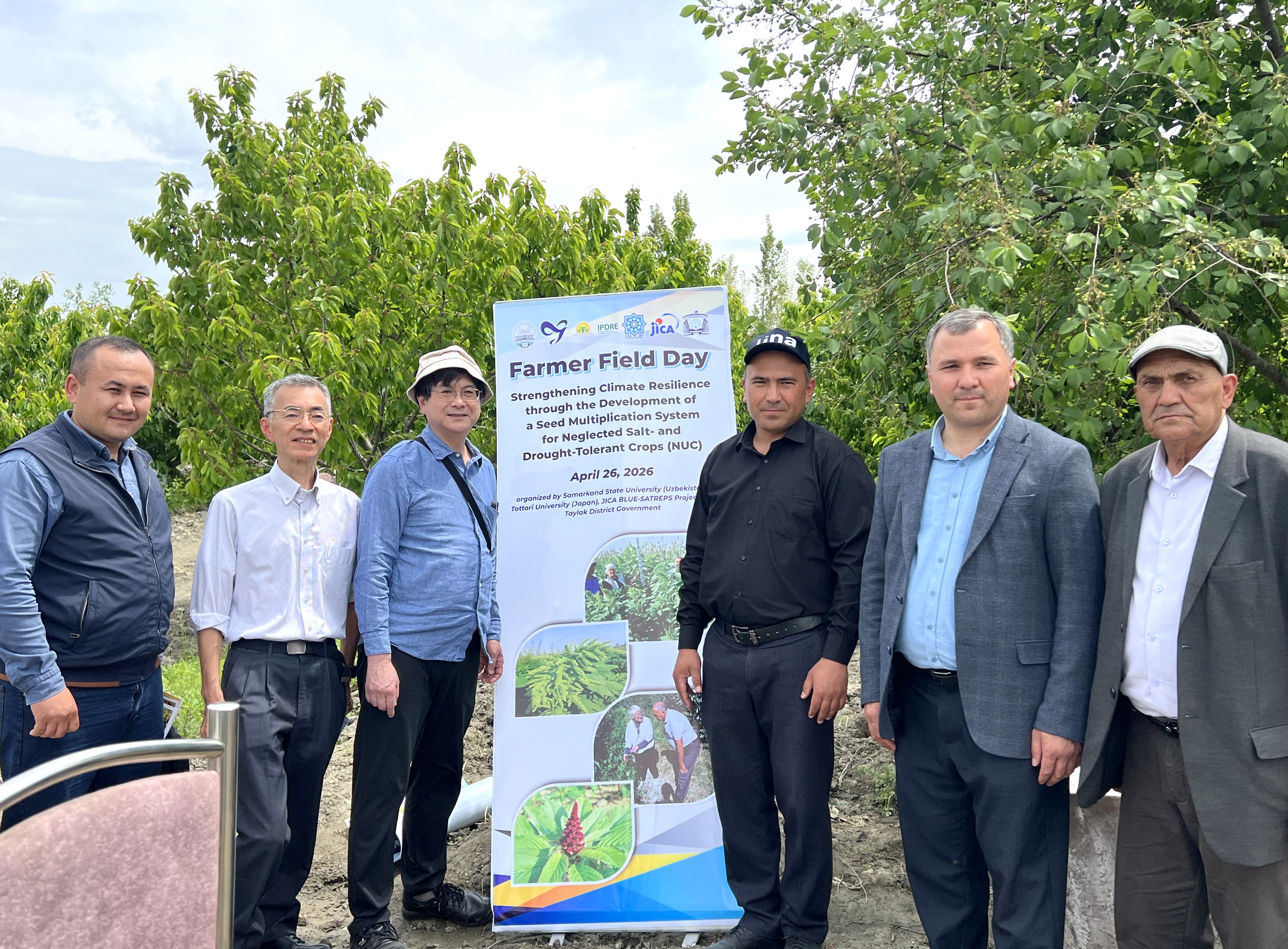
A field seminar on “Strengthening Climate Resilience in Agriculture through the Development of Non-Traditional Crop Cultivation Systems” was organized in cooperation with Samarkand State University, Tottori University of Japan, the JICA BLUE-SATREPS project, and the Toyloq district hokimiyat (administration).
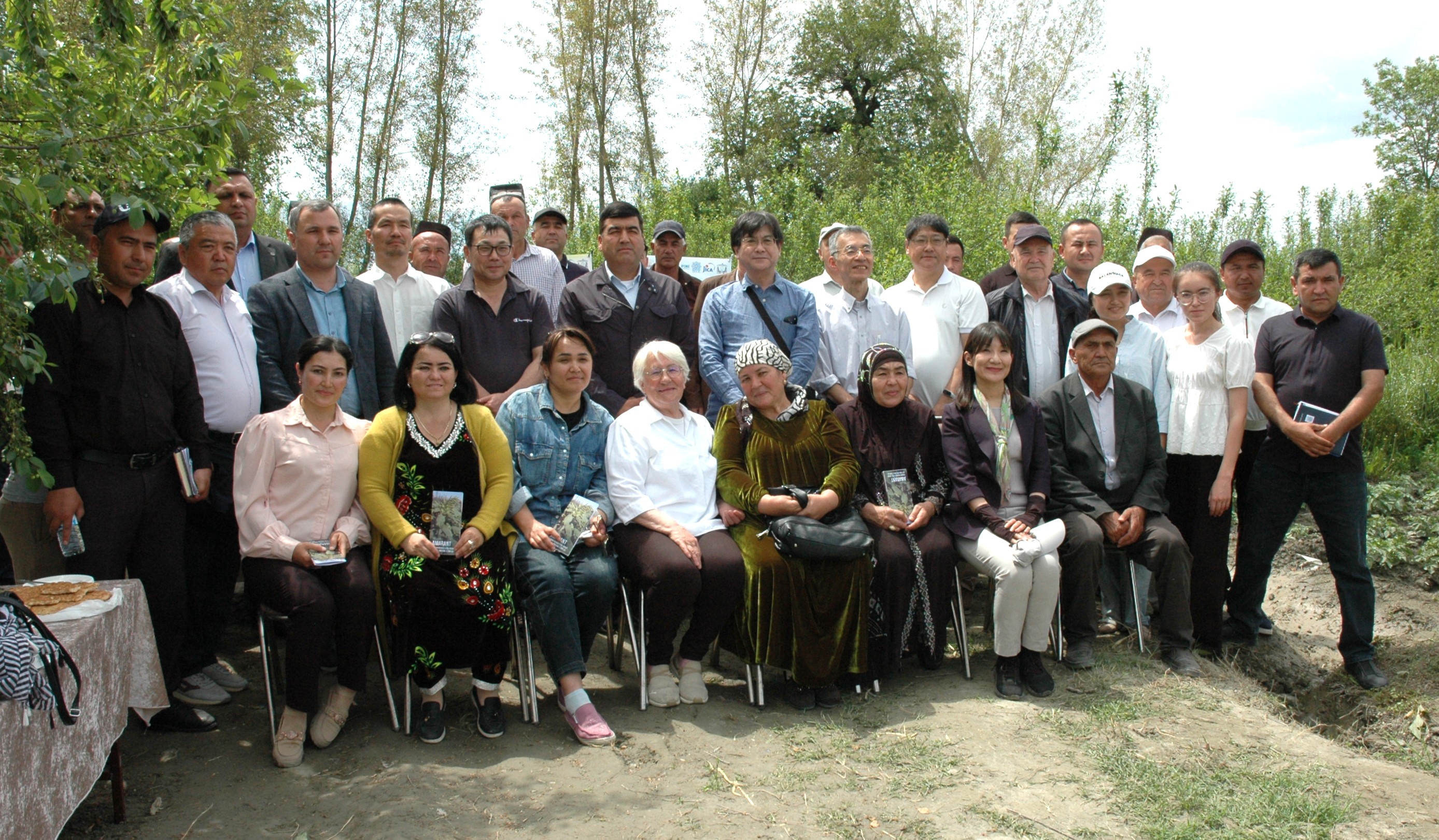
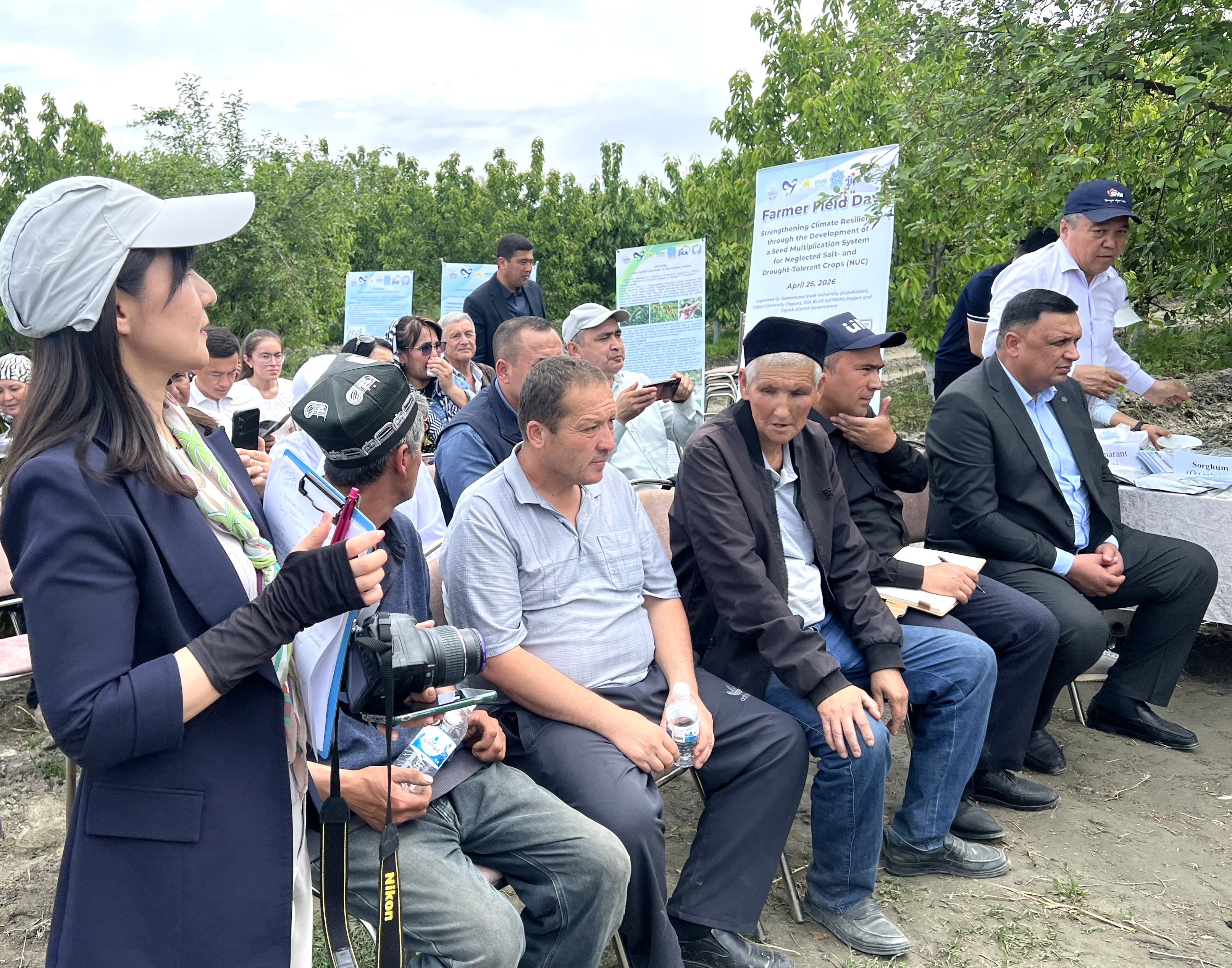
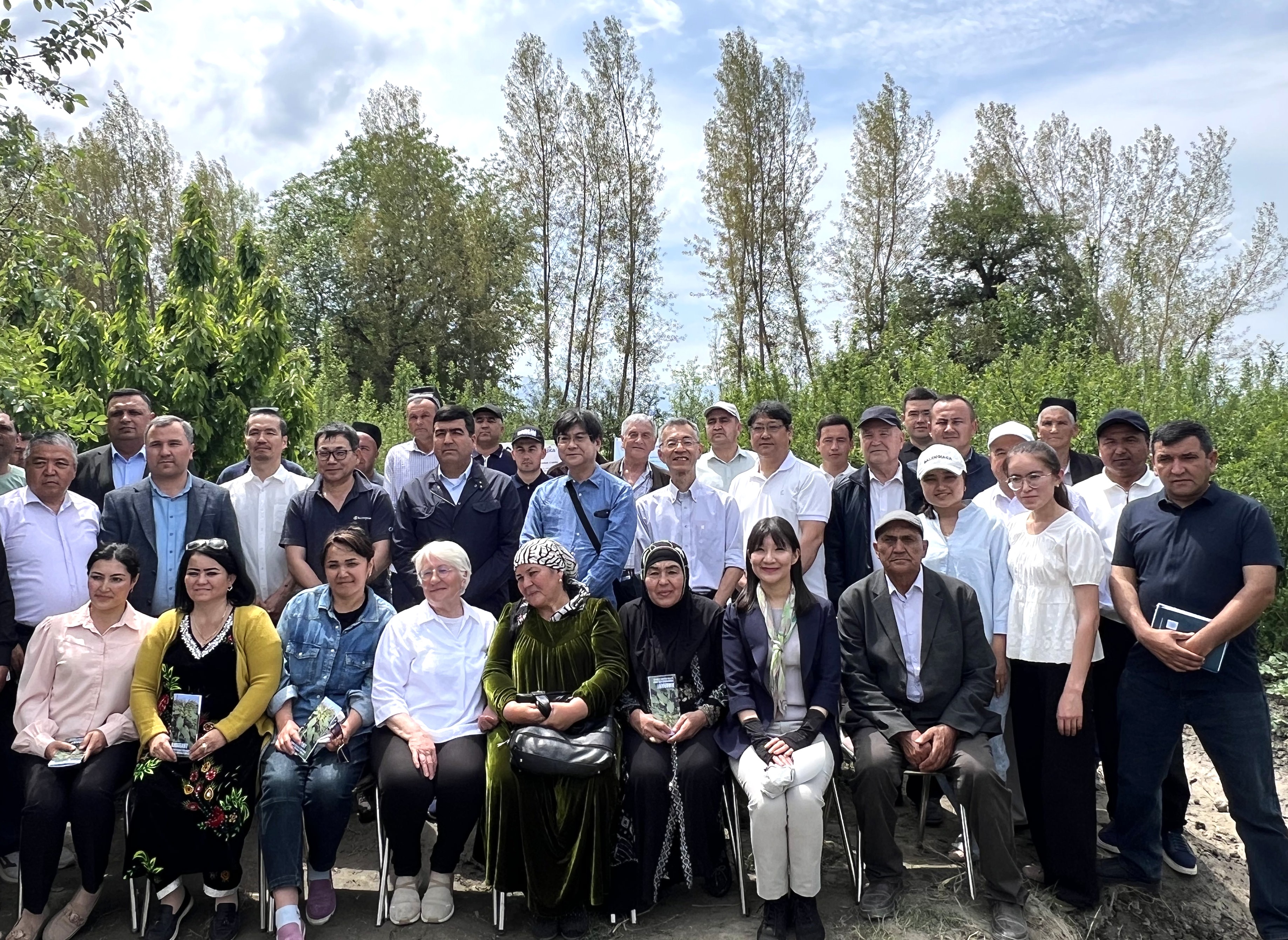
The seminar was attended by Atsushi Tsunekawa, Vice-President of Tottori University; Kinya Akashi, Dean of the Faculty of Agriculture; Mitsuro Tsubo, Director of the Arid Land Research Center; Takusaburo Kimura, senior researcher and JICA representative; Professor Ryo Nishimura; Kristina Toderich, Head of the Tottori University office at SamSU; Ozawa Yoshiko, representative of the JICA Uzbekistan office; as well as SamSU scientists, farmers, and local landowners from the Toyloq district.
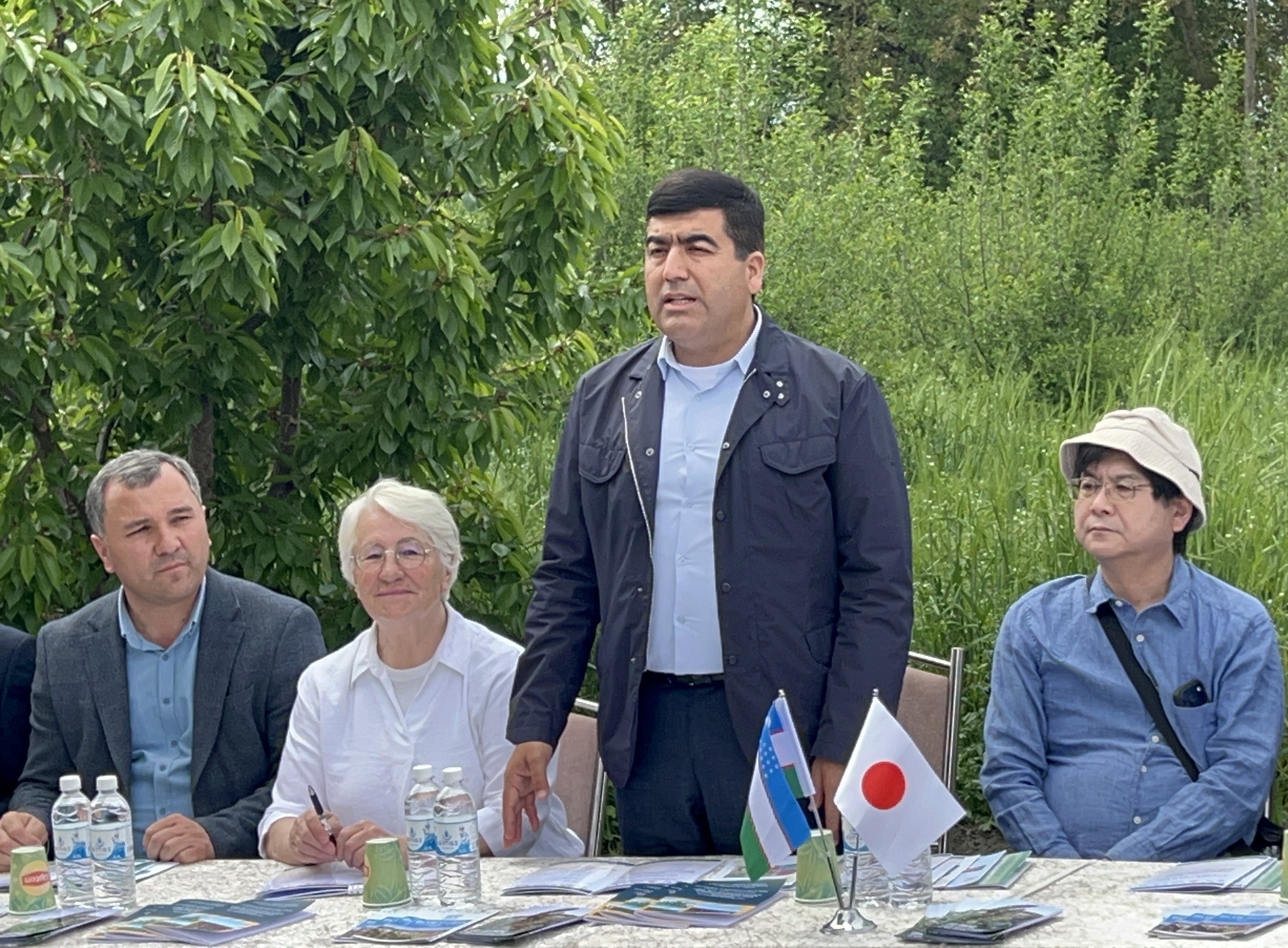
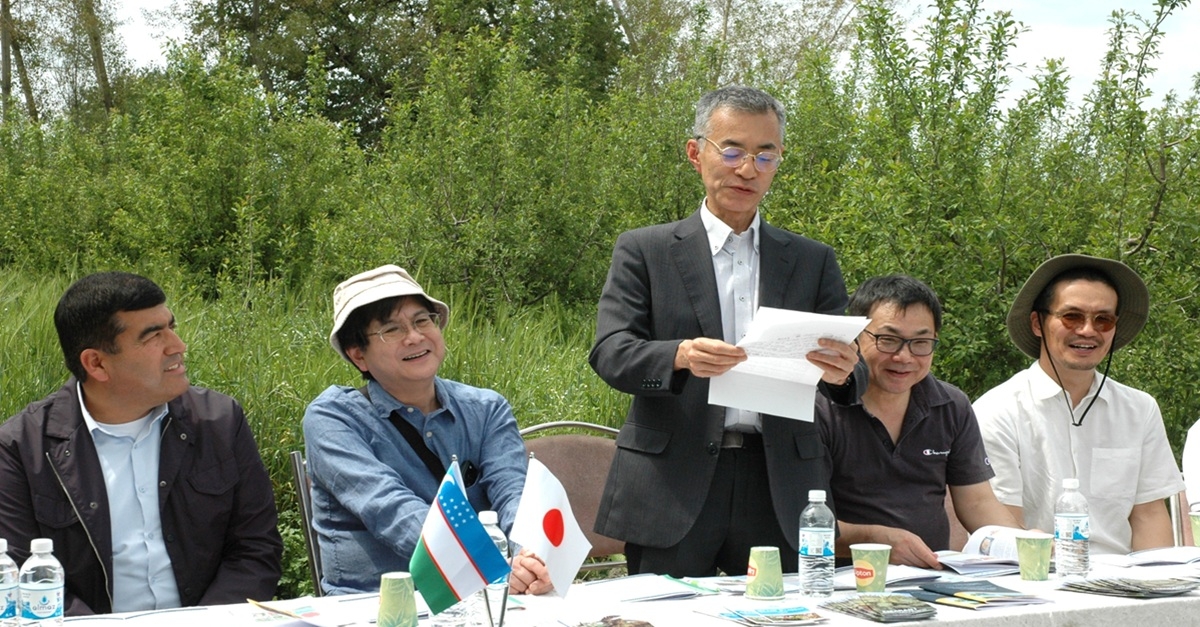
Behzod Raxmatullayev, the Governor (Hokim) of Toyloq district, addressed the event, noting that the wide-scale implementation of innovative technologies in agriculture, the cultivation of drought-resistant non-traditional crops, and providing the population with high-quality, eco-friendly food products are among the most critical issues today. He also highlighted the priority of applying modern scientific achievements and advanced foreign expertise in this regard.
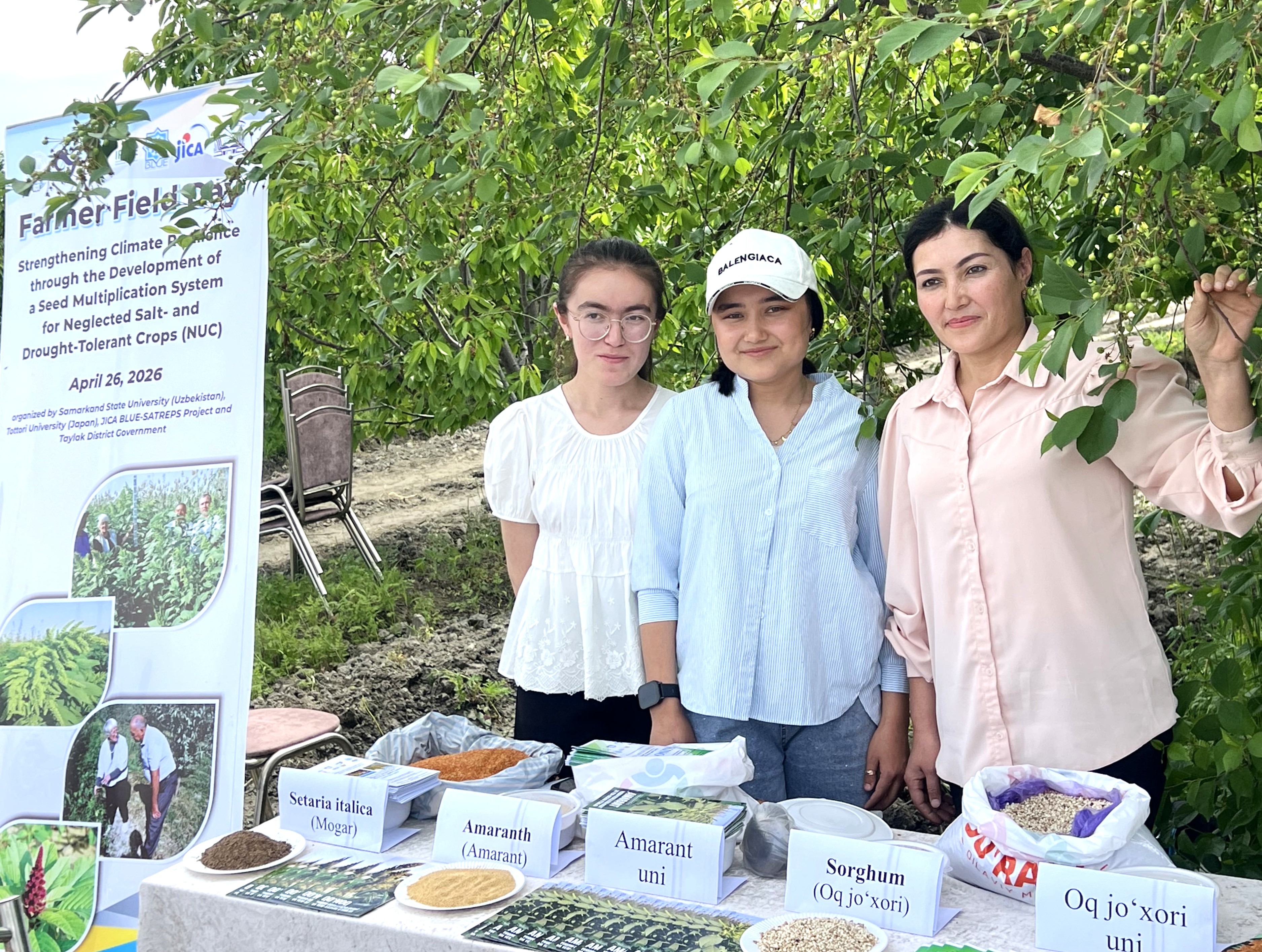
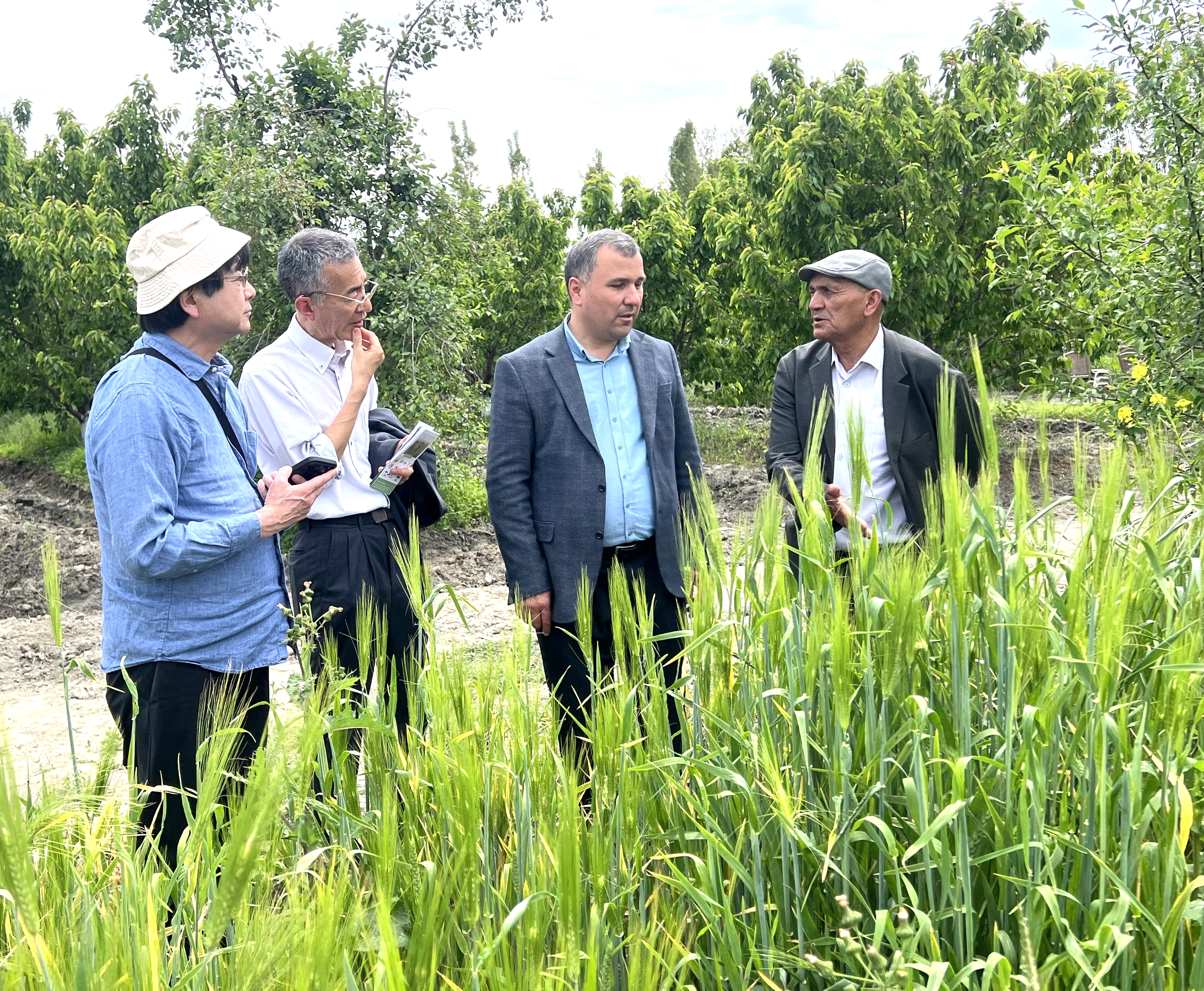
During the seminar, participants exchanged views on the potential for growing non-traditional crops such as amaranth, setaria, and quinoa in the soil and climatic conditions of Toyloq district, as well as the experience gained by local residents. Food products prepared from these crops by local residents were showcased during the event. Participants were provided with valuable information on how to incorporate these products into their daily diets and their health benefits.