

Samarkand State University and GIST Strengthen Scientific Cooperation: From Historical Silk Road Ties to a New Era of Academic Partnership
Samarkand State University named after Sharof Rashidov continues to expand its international academic partnerships and strengthen its role as one of Uzbekistan’s leading centers of science, education, and innovation. A significant step in this direction was the development of cooperation with the Gwangju Institute of Science and Technology (GIST), one of the Republic of Korea’s leading research universities, internationally recognized for its excellence in science, engineering, advanced materials, physics, chemistry, and interdisciplinary technological innovation.
The growing partnership between Samarkand State University and GIST reflects not only shared academic interests but also the deep historical and cultural connections between Uzbekistan and the Korean Peninsula. These links go back many centuries, to the time when ancient Samarkand stood at the crossroads of the Great Silk Road and served as a center of diplomacy, trade, science, and cultural exchange. Today, this historic connection is being renewed through modern scientific cooperation, student mobility, joint research initiatives, and institutional dialogue between leading universities of Uzbekistan and South Korea.
Ancient historical ties between Uzbekistan and Korea
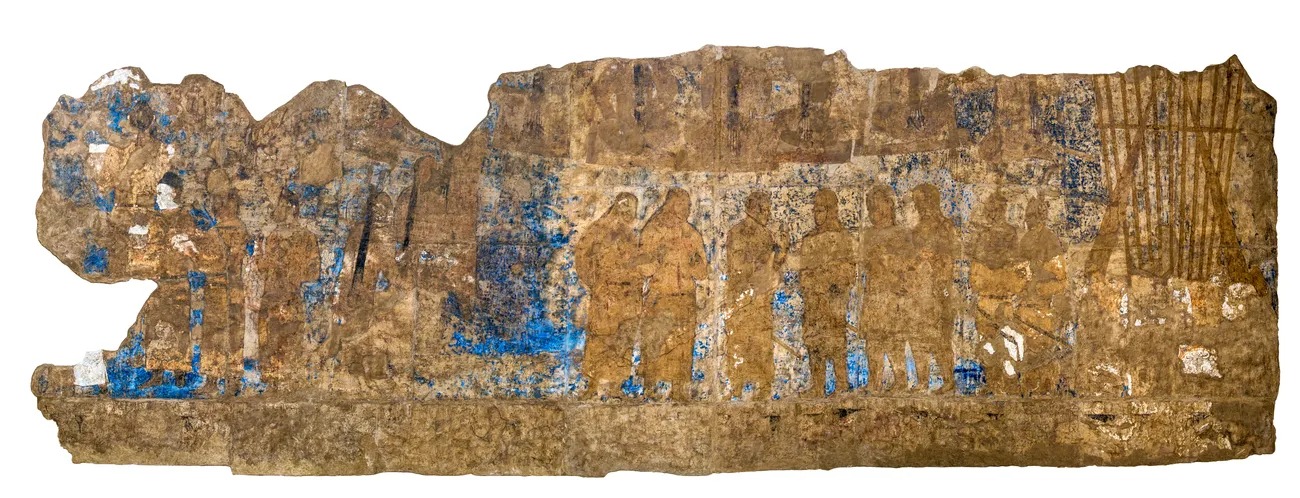
The cultural and historical relationship between the peoples of Uzbekistan and Korea has a long and meaningful foundation. One of the most important symbols of this connection is the famous Afrosiyob wall painting in Samarkand, dating to the 7th century. These murals, discovered in the ancient settlement of Afrosiyob, are among the most remarkable examples of early medieval Central Asian art. They depict foreign envoys arriving at the Sogdian court, demonstrating the international importance of ancient Samarkand as a diplomatic, cultural, and commercial hub.
Among the figures represented in the Afrosiyob murals are envoys commonly identified by scholars as representatives from Goguryeo, one of the historic Korean kingdoms. Their distinctive clothing and headgear are often interpreted as visual evidence of contact between ancient Sogdiana and the Korean Peninsula. This suggests that the relationship between Central Asia and Korea was not limited to indirect trade routes but formed part of a wider Eurasian network of diplomacy, movement, and cultural exchange.
For Uzbekistan, the Afrosiyob murals show that Samarkand was already a cosmopolitan center more than thirteen centuries ago. Representatives of different regions, cultures, and political powers came to Samarkand, making the city a place where civilizations met. For Korea, the presence of Goguryeo envoys in the murals is an important testimony to the early participation of Korean states in broader Eurasian relations. In this sense, the murals represent a shared heritage: they belong to the cultural history of Uzbekistan, but they also carry meaning for the historical memory of Korea.
Today, this ancient connection has gained renewed relevance. Uzbekistan and the Republic of Korea maintain strong cooperation in science, education, technology, culture, healthcare, labor mobility, and people-to-people exchange. The Afrosiyob mural reminds us that this friendship has deep roots and that modern cooperation between Uzbek and Korean institutions is not a new beginning, but a continuation of a historical dialogue that began many centuries ago.
A New Stage of Cooperation: GIST Professors Visit Samarkand State University
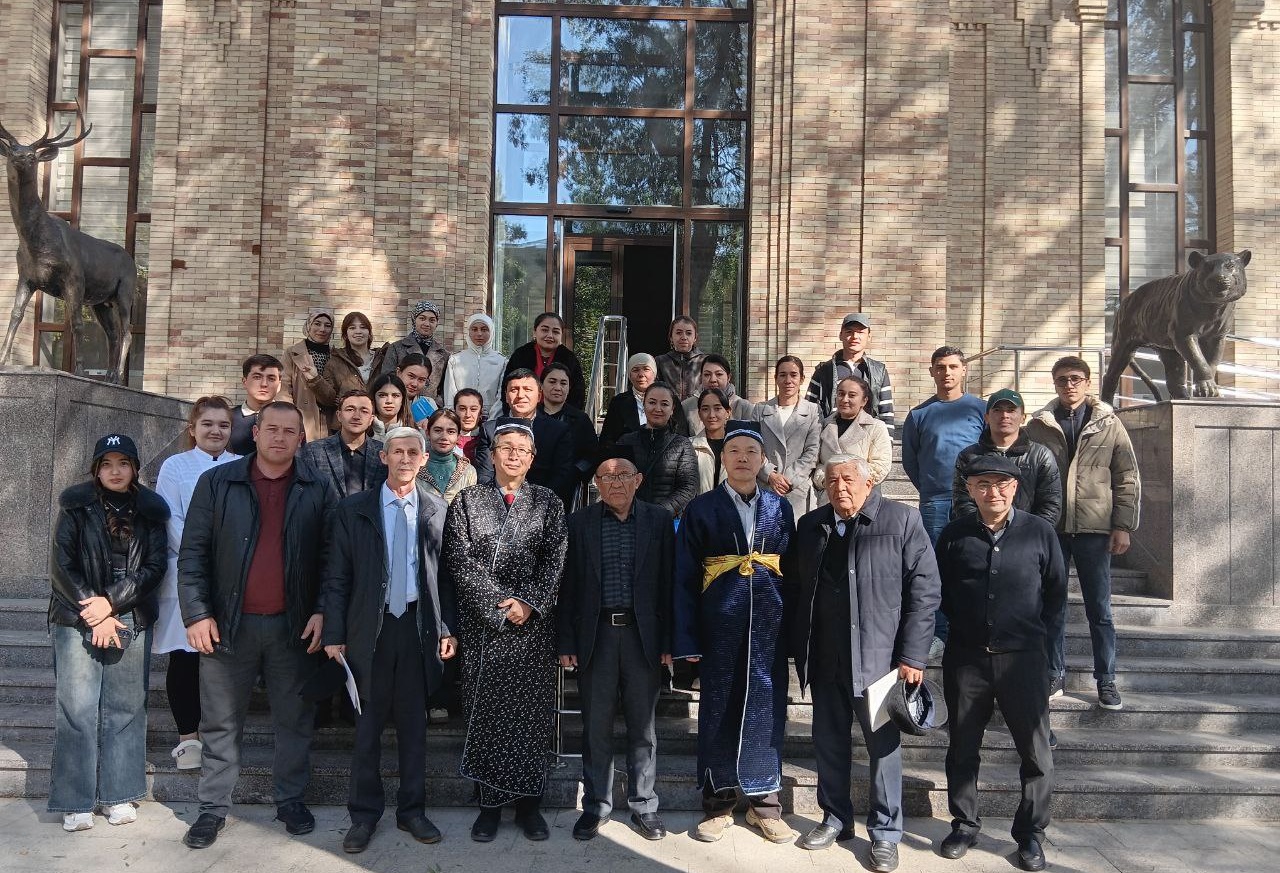
A modern and practical step toward strengthening scientific relations between Samarkand State University and GIST began in November 2025, when two distinguished professors from the Gwangju Institute of Science and Technology visited SamSU. The delegation included Prof. Hyyong Suk, Dean of the College of Natural Sciences and Professor in the Department of Physics and Photon Science at GIST, and Prof. Yoonsoo Pang, Professor in the Department of Chemistry at GIST.
Their visit to Samarkand State University marked an important first stage in establishing direct academic dialogue between the two institutions. During the visit, the GIST professors became acquainted with SamSU’s academic environment, research priorities, institutional development plans, and scientific infrastructure. Discussions focused on areas of mutual interest, including physics, chemistry, materials science, advanced technologies, laboratory-based research, and interdisciplinary natural sciences.
The visit was especially important because it allowed both sides to identify practical pathways for future cooperation. The GIST representatives and SamSU faculty discussed possibilities for joint research, faculty exchange, student mobility, collaborative publications, laboratory visits, and the development of long-term partnerships between departments and institutes. This initial engagement helped create a foundation of trust and mutual understanding, enabling both institutions to move from general interest to concrete cooperation.
The November 2025 visit also demonstrated GIST’s interest in building partnerships with leading Uzbek universities and showed SamSU’s readiness to expand its international scientific network. As a result, the later visit of the SamSU and the National University of Uzbekistan delegations to GIST in May 2026 became a natural continuation of the dialogue launched in Samarkand.
SamSU Delegation Participates in the GIST–NUUz–SamSU Joint Workshop
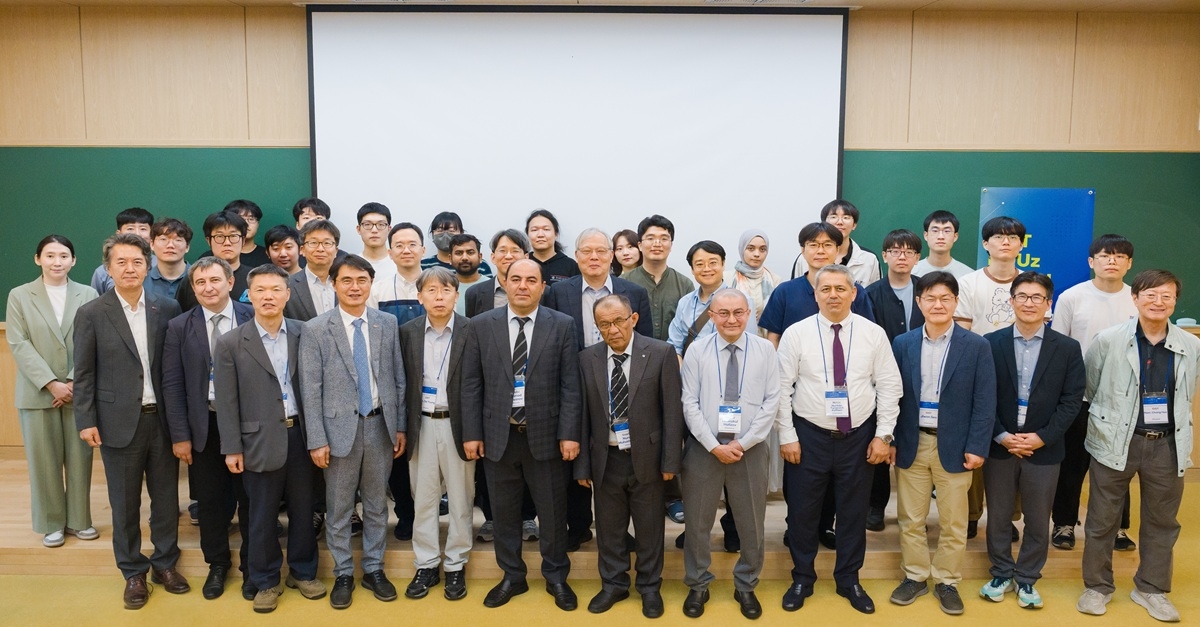
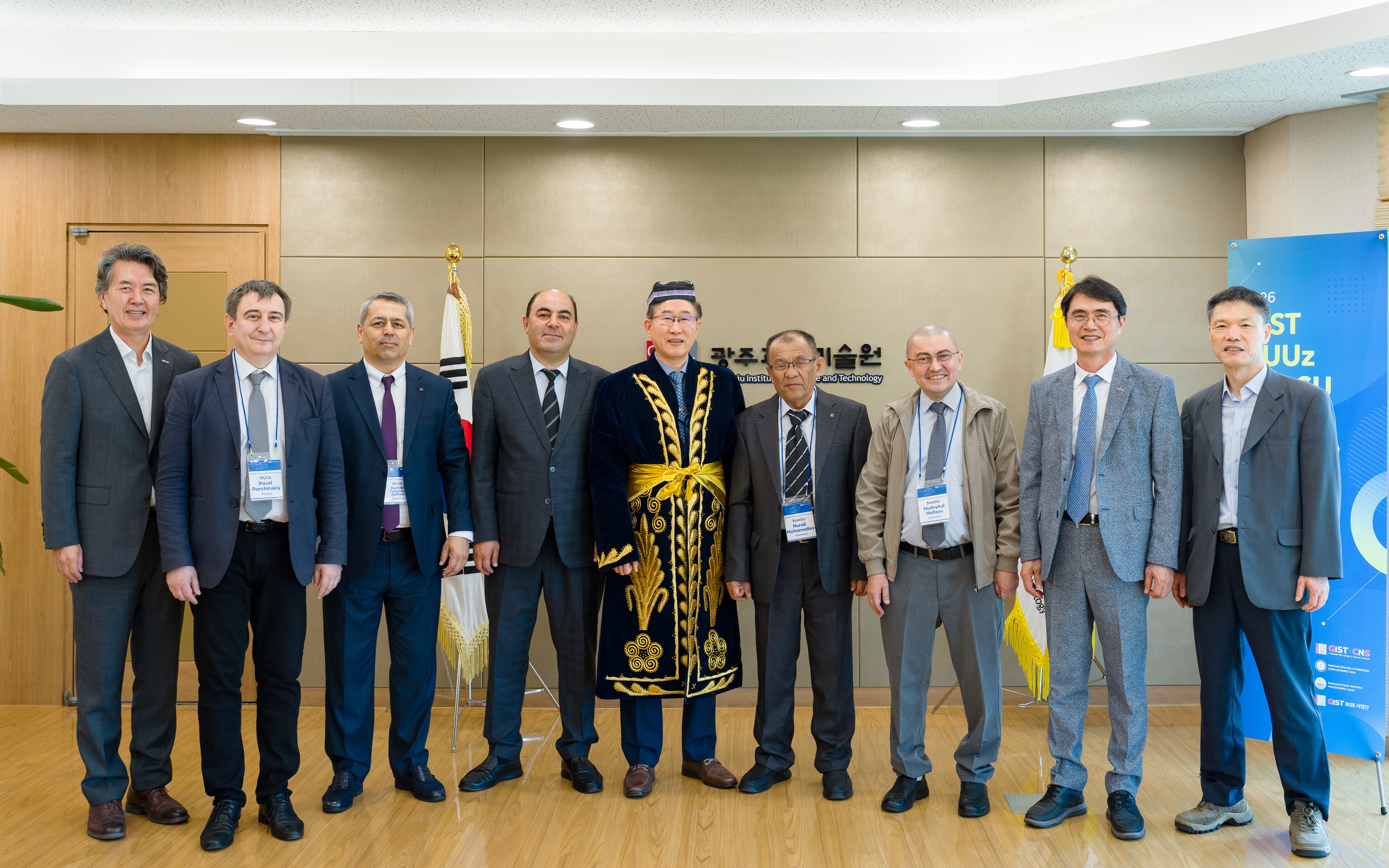
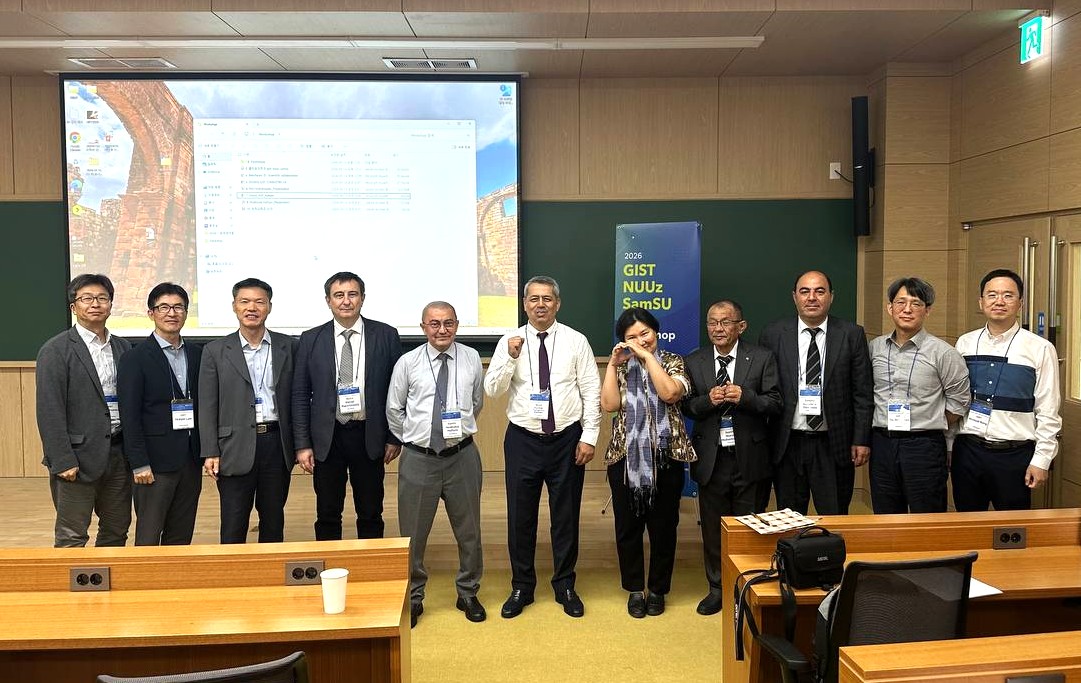
As a continuation of the earlier cooperation, representatives of Samarkand State University participated in the 2026 CNS International Joint Workshop: GIST–NUUz–SamSU Joint Workshop, held on 14 May 2026 at the Gwangju Institute of Science and Technology in the Republic of Korea. The workshop took place in the Natural Science Building and brought together representatives of GIST, the National University of Uzbekistan (NUUz), and Samarkand State University.
The workshop was part of a broader three-day academic visit to GIST from 13 to 15 May 2026. The programme included institutional meetings, scientific presentations, faculty discussions, department tours, cultural visits, and structured conversations on future academic collaboration. The format of the visit reflected the shared intention of the participating institutions to move beyond ceremonial partnership and focus on practical scientific cooperation.
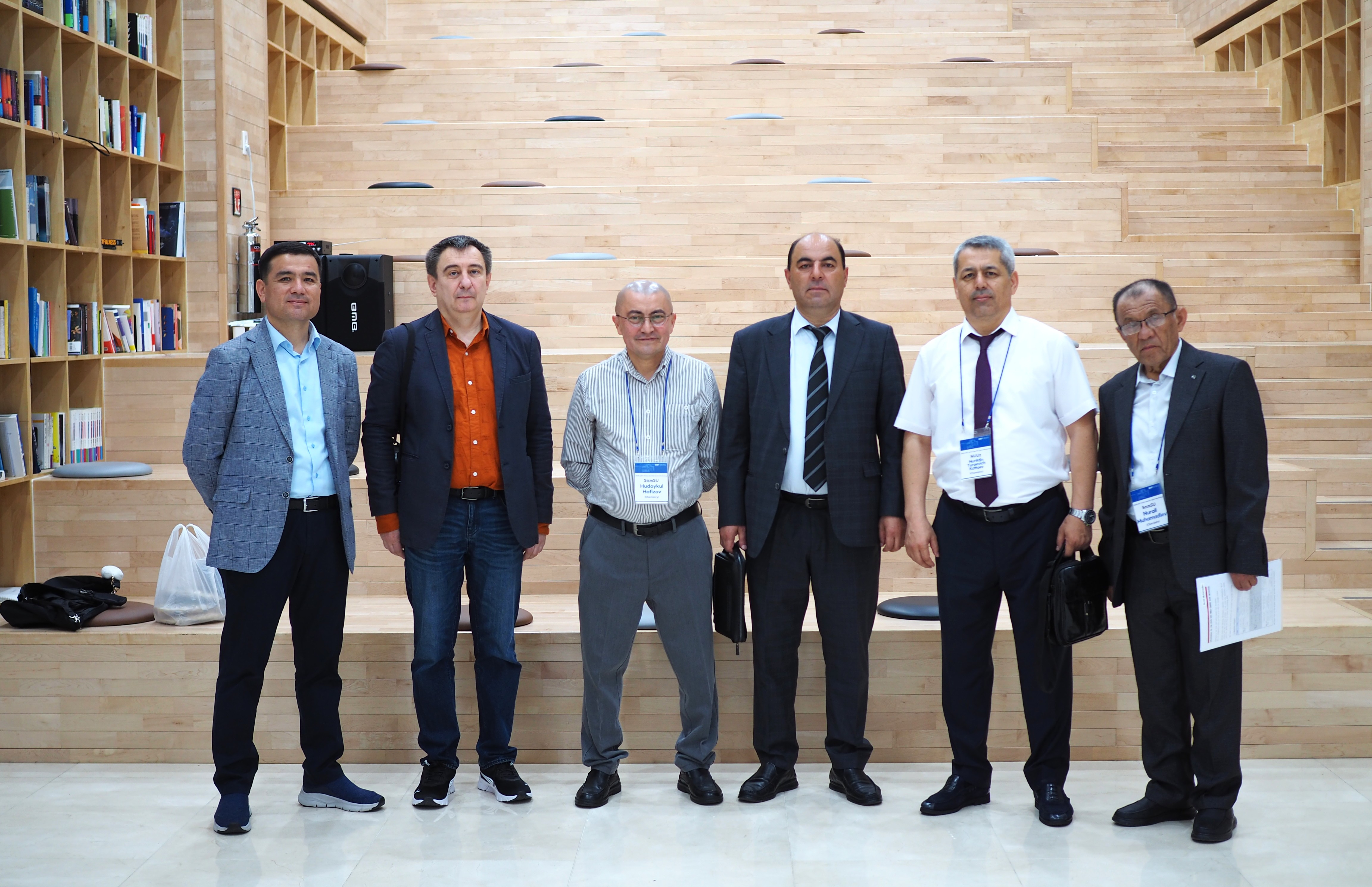
Samarkand State University was represented by a multidisciplinary delegation. The SamSU delegation included Prof. Akhmad Absanov, Director of the Institute of Engineering Physics at Samarkand State University; Prof. Nurali Muhamadiev, Head of the Department of Physical and Colloid Chemistry at the Institute of Biochemistry; and Mr. Hudoykul Hafizov, Programme Coordinator of the Institute of Engineering Physics. Together, the delegation represented important areas of SamSU’s academic and research profile, including physics, engineering physics, chemistry, colloid science, applied materials research, institutional coordination, and international cooperation.
The participation of SamSU representatives highlighted the university’s growing interest in strengthening scientific links with leading international institutions, especially in fields related to advanced natural sciences and innovation-driven research.
Arrival in Gwangju and Cultural Engagement
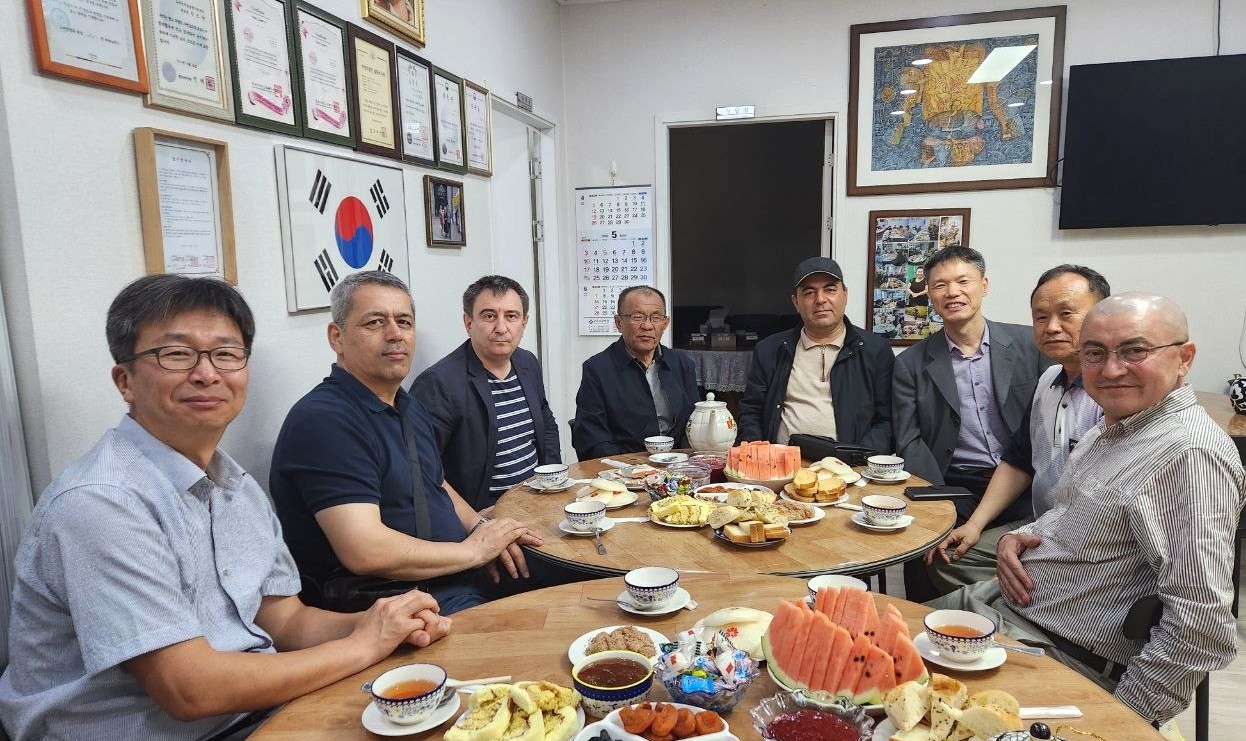
The programme began on 13 May 2026, when the Uzbek delegation travelled from Seoul Station to Gwangju Songjeong Station by KTX. Upon arrival, the delegation was received in Gwangju and accommodated at the GIST campus guesthouse. This first day included not only logistical arrangements but also an important cultural component.
In the afternoon, the delegation visited Koryoin Village in Gwangju, a community connected with Central Asian Korean heritage. This visit was meaningful because it reflected the human and cultural dimension of Uzbek–Korean relations. Koryoin communities represent a living bridge between Central Asia and Korea, reminding participants that cooperation between the two regions is not only institutional but also deeply rooted in shared histories, migration, cultural memory, and people-to-people relations.
The visit to Koryoin Village was followed by dinner with senior GIST representatives, including Dean Prof. Hyyong Suk and Prof. Yoonsoo Pang. This informal setting created a friendly atmosphere for open conversation and helped prepare the ground for the official institutional and academic discussions scheduled for the following day.
High-Level Institutional Meetings at GIST
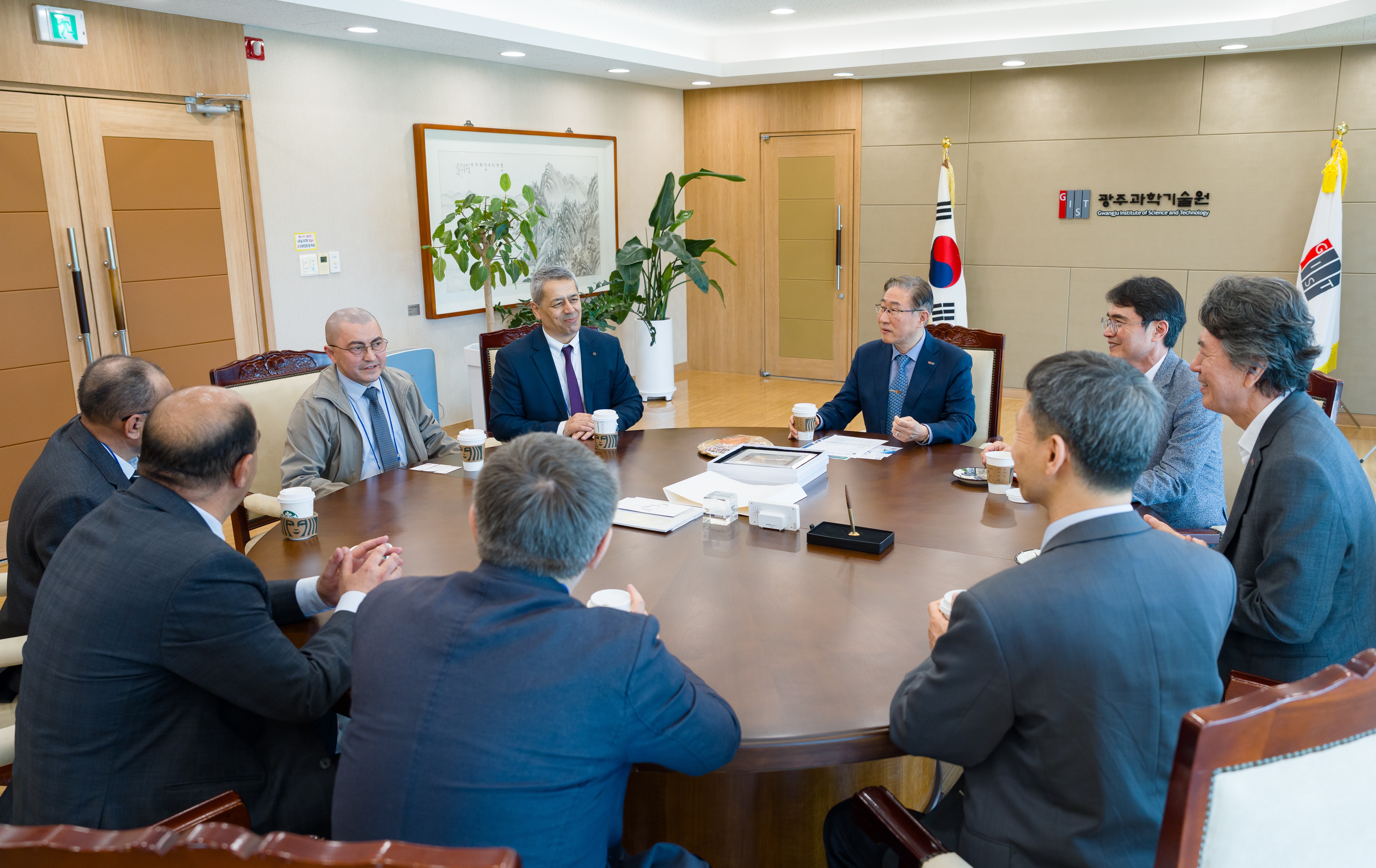
On 14 May 2026, the Uzbek delegation held several important meetings with GIST leadership and faculty members. The day began with a meeting with Prof. Hyyong Suk, Dean of the College of Natural Sciences. This meeting provided an opportunity to discuss the strategic priorities of GIST’s College of Natural Sciences and explore areas where collaboration with SamSU and NUUz could be developed.
The delegation also held a meeting with the President and Vice Presidents of GIST, demonstrating the institutional importance attached to the visit. Such high-level engagement showed that the cooperation between GIST and Uzbek universities was viewed not only as a departmental initiative but also as part of a broader university-level effort to build international scientific partnerships.
Following the leadership meetings, the delegation participated in tea-time discussions with GIST faculty members from physics and chemistry. These exchanges allowed researchers to discuss scientific interests more directly, compare research priorities, and identify potential areas for cooperation. The discussions were particularly valuable because they brought together specialists working in related disciplines and created opportunities for future researcher-to-researcher communication.
The 2026 CNS International Joint Workshop
The formal GIST–NUUz–SamSU Joint Workshop began at 13:30 and continued until 18:10. It was organized as part of the 2026 CNS International Joint Workshop and focused on institutional presentations, scientific exchange, and the identification of future collaboration opportunities.
The workshop opened with remarks by the GIST Vice President, followed by two academic sessions. The first session was chaired by Prof. Yoonsoo Pang of GIST. It began with a presentation by Prof. Abdumanap Nasirov and Prof. Pavel Parchinskiy from the National University of Uzbekistan, who introduced NUUz as a flagship university of science and education in Uzbekistan. Their presentation emphasized the important role of NUUz in national higher education, scientific research, and the development of academic excellence.
Representing Samarkand State University, Prof. Akhmad Absanov delivered a presentation on recent reforms and future prospects at SamSU and the Institute of Engineering Physics. His presentation focused on emerging trends in scientific laboratories, research centers, and the modernization of scientific infrastructure. It highlighted SamSU’s commitment to advancing research in physics, engineering physics, and related scientific fields, as well as the university’s readiness to engage in international partnerships.
GIST faculty members also presented their institutional and departmental strengths. Prof. Byoung-Ick Cho introduced the Department of Physics and Photon Science at GIST, providing insight into the department’s research directions, academic structure, and scientific priorities. Prof. Jiwon Seo introduced the Department of Chemistry, demonstrating GIST’s strong research capacity in chemical sciences and its relevance to possible cooperation with SamSU’s chemistry and biochemistry-related departments.
SamSU Scientific Contributions at the Workshop
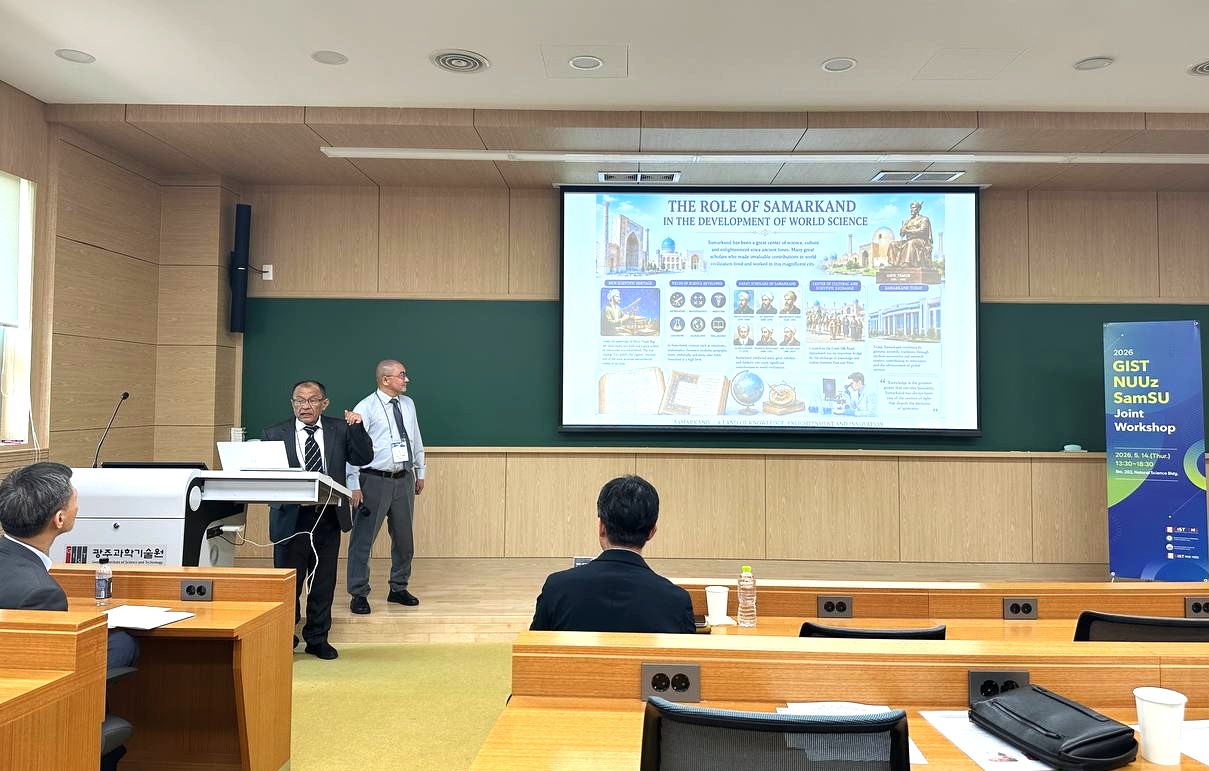
Samarkand State University made several important contributions to the academic content of the workshop. In addition to Prof. Absanov’s presentation on reforms and prospects at SamSU and the Institute of Engineering Physics, Prof. Nurali Muhamadiev presented the scientific research activities and key outcomes of the Department of Physical and Colloid Chemistry at the Institute of Biochemistry.
Prof. Muhamadiev’s presentation demonstrated SamSU’s strengths in physical chemistry, colloid chemistry, materials-related research, and applied scientific investigation. It also helped introduce GIST colleagues to the existing research capacity of SamSU in chemistry and related interdisciplinary fields. His contribution was particularly important in identifying possible links between SamSU’s chemical research and GIST’s Department of Chemistry.
Later in the programme, Mr. Hudoykul Hafizov, Programme Coordinator of the Institute of Engineering Physics, presented on collaborative opportunities with the chemistry community at Samarkand State University. His presentation focused on building bridges between institutional priorities, scientific expertise, and practical collaboration mechanisms. This contribution helped frame cooperation not only as an academic aspiration, but also as a structured process requiring coordination, communication, and follow-up actions.
Second Session: Toward a Collaboration Ecosystem
The second session of the workshop was chaired by Prof. Pavel Parchinskiy of NUUz and placed a stronger emphasis on future cooperation. Prof. Nuritdin Kattaev of NUUz delivered a presentation titled “From advanced materials to transformative innovation: building a high-impact academic collaboration and exchange ecosystem between NUUz and GIST.” The presentation addressed the importance of building sustainable models of partnership that can support research, innovation, mobility, and institutional development.
Prof. Pavel Parchinskiy and Prof. Abdumanap Nasirov also presented advanced research areas at the Faculty of Physics of NUUz, focusing on frontiers in physics and materials science. Their presentation helped broaden the workshop from bilateral cooperation into a wider trilateral platform involving GIST, SamSU, and NUUz.
The workshop also included a presentation by Prof. Min Ki Kim of GIST, who introduced the Department of Mathematical Sciences. This presentation expanded the academic scope of the workshop and demonstrated that future cooperation could include not only physics and chemistry, but also mathematical sciences, modelling, computational approaches, and interdisciplinary research methods.
The workshop concluded with closing remarks by Dean Prof. Hyyong Suk, who emphasized the value of academic dialogue and future cooperation. The structure of the workshop allowed each institution to present its strengths while also identifying areas where collaboration could be developed in a practical and sustainable manner.
Department Tours and Further Academic Exchange
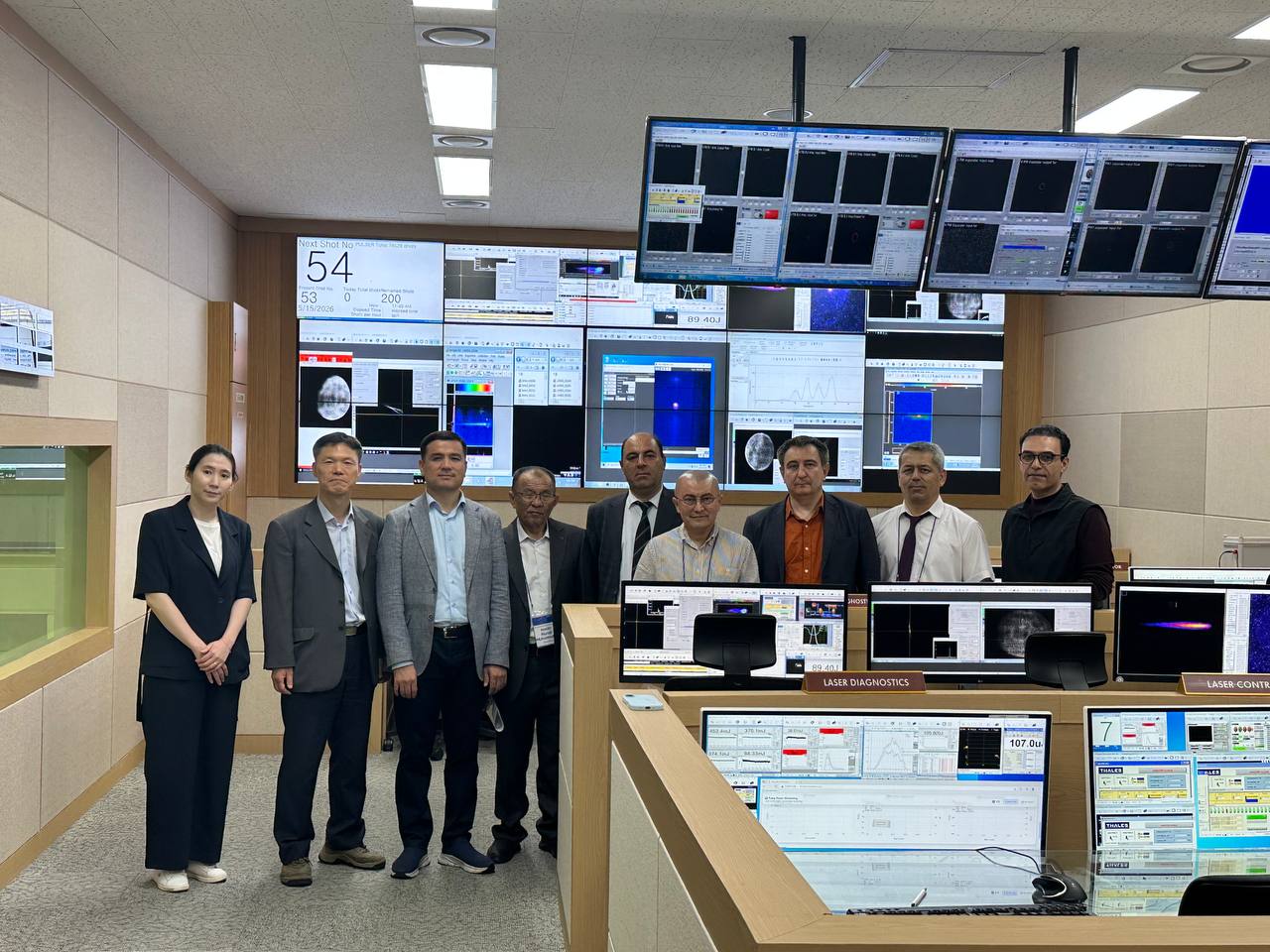
The visit continued on 15 May 2026 with a tour of GIST’s physics and chemistry departments. These department tours were important because they gave the Uzbek delegation the opportunity to observe GIST’s research infrastructure, laboratory environment, academic facilities, and scientific organization. Guided visits to the relevant departments helped participants better understand how GIST supports advanced research and graduate education.
For SamSU representatives, the department tour was especially valuable in relation to future student and researcher mobility. Seeing the laboratories and academic environment directly allowed the delegation to assess possible areas where SamSU students and young researchers could benefit from short-term research visits, internships, training, and joint supervision.
The academic visit concluded with a cultural visit to the Damyang area, guided by Dean Prof. Hyyong Suk. This final part of the programme contributed to strengthening interpersonal relations among participants and demonstrated the importance of cultural understanding in building long-term academic cooperation.
Results of the Cooperation and Next Steps
The cooperation between Samarkand State University and GIST has already begun to produce practical results. One of the most important outcomes is the planned mobility of SamSU students to GIST. In particular, two-master’s students from the Institute of Engineering Physics and one student from the Institute of Biochemistry are already planning to visit GIST under the GIP programme this summer.
This is a concrete and highly significant result of the developing partnership. Student mobility is one of the most effective ways to build long-term scientific cooperation, because it allows young researchers to gain experience in advanced laboratories, learn new research methods, develop international academic networks, and bring new knowledge back to their home university. For SamSU, the planned visit of these students to GIST will support the development of human capital, strengthen research capacity, and create new opportunities for joint academic work.
The planned participation of students from both the Institute of Engineering Physics and the Institute of Biochemistry also reflects the interdisciplinary nature of the cooperation. It shows that the partnership is not limited to one department or field, but is developing across physics, chemistry, biochemistry, materials science, and related areas. This broader approach is especially important in modern science, where many of the most important research challenges require cooperation across disciplines.
Another important result of the cooperation is the establishment of direct communication channels between SamSU and GIST faculty members. The November 2025 visit to SamSU and the May 2026 visit to GIST created opportunities for professors, researchers, administrators, and coordinators to meet in person, discuss research interests, and identify areas for future cooperation. These personal and professional connections are essential for developing joint projects, preparing future grant applications, organizing academic exchanges, and supporting students.
The cooperation also opens the possibility of future joint seminars, workshops, laboratory visits, research internships, and academic publications. In the long term, SamSU and GIST may explore opportunities for joint research projects in advanced materials, photon science, chemistry, mathematical modelling, nanotechnology, physical and colloid chemistry, engineering physics, and other interdisciplinary fields.
Strategic Importance for Samarkand State University
The cooperation with GIST is strategically important for Samarkand State University for several reasons. First, it strengthens SamSU’s international profile and supports the university’s efforts to integrate more actively into the global academic community. Partnerships with leading research institutions such as GIST help increase international visibility, improve research quality, and create opportunities for faculty and students.
Second, cooperation with GIST supports the modernization of scientific research at SamSU. Through exchanges, internships, and future joint projects, SamSU researchers and students can become more familiar with advanced laboratory practices, research management approaches, and interdisciplinary scientific methods. This contributes to the development of research culture and strengthens the capacity of SamSU institutes and departments.
Third, the partnership creates new opportunities for young scientists. The planned visit of three SamSU students to GIST this summer is an important example. Such opportunities can inspire other students to engage in research, improve their academic skills, and participate in international scientific networks. In the future, this may help SamSU prepare a new generation of researchers with strong international experience.
Fourth, the cooperation contributes to the broader development of Uzbek–Korean academic relations. Uzbekistan and South Korea have already built strong cooperation in many areas, including education, technology, industry, healthcare, and culture. University-to-university partnerships such as the one between SamSU and GIST add a scientific and innovation-oriented dimension to this relationship.
From Historical Friendship to Scientific Partnership
The development of cooperation between Samarkand State University and GIST carries symbolic and practical significance. Symbolically, it connects the ancient historical ties between Uzbekistan and Korea, represented by the Afrosiyob murals, with modern academic cooperation in science and technology. Practically, it creates real opportunities for students, researchers, and institutions to work together on shared scientific priorities.
The journey from the 7th-century image of Korean envoys in ancient Samarkand to the 21st-century academic partnership between SamSU and GIST shows the continuity of dialogue between the peoples of Uzbekistan and Korea. In the past, this dialogue took place through diplomacy, trade, culture, and travel along the Silk Road. Today, it continues through science, education, innovation, and institutional cooperation.
The visit of GIST professors to SamSU in November 2025, followed by the participation of SamSU representatives in the GIST–NUUz–SamSU Joint Workshop in May 2026, demonstrates a clear progression from initial contact to active collaboration. The planned visit of SamSU master’s students to GIST under the GIP programme is a further indication that the partnership is moving from discussion to implementation.
Conclusion
The cooperation between Samarkand State University and the Gwangju Institute of Science and Technology represents a promising new chapter in Uzbek–Korean academic relations. Built on historical friendship, mutual respect, and shared scientific interests, this partnership has already created meaningful opportunities for institutional dialogue, faculty exchange, student mobility, and future research collaboration.
The 2026 CNS International Joint Workshop at GIST provided a strong platform for presenting the scientific strengths of SamSU, NUUz, and GIST, while also identifying practical areas for future cooperation. For SamSU, the visit was an important opportunity to highlight its reforms, research potential, and readiness for international collaboration. For GIST, the engagement opened new possibilities for partnership with one of Uzbekistan’s leading universities and with the wider academic community of Central Asia.
As the next stage of cooperation begins, including the planned summer visit of SamSU students to GIST, both institutions have a valuable opportunity to transform academic dialogue into long-term scientific outcomes. Through continued collaboration, Samarkand State University and GIST can contribute to the advancement of science, the training of young researchers, and the strengthening of friendship between Uzbekistan and the Republic of Korea.
The partnership between SamSU and GIST is therefore not only a university-level achievement. It is a continuation of a much older connection between two regions, renewed today through science, education, and the shared belief that international cooperation can create new opportunities for future generations.Top of Form