

Scientific Progress through International Cooperation: New Opportunities and Scientific Horizons for the Department of Physical and Colloid Chemistry
Prof. Nurali Muhamadiev
Head of the Department of Physical and Colloid Chemistry, Samarkand State University
The Department of Physical and Colloid Chemistry at the Institute of Biochemistry of Samarkand State University (SamSU) has been steadily strengthening its international engagement. In recent years, the Department has significantly expanded its network of foreign academic partners, increased the number of joint publications, international conferences, and research contacts, and deepened cooperation in doctoral training. At the same time, new opportunities for academic mobility have enabled young researchers to gain international experience, develop professional skills, and become more actively involved in global scientific collaboration.
The Department of Physical and Colloid Chemistry has a strong academic community supported by more than 30 employees. Its teaching staff comprises 19 faculty members, including 4 professors, 8 associate professors, and 2 Candidates of Sciences. The Department also provides advanced training for 15 PhD students and 16 master’s students, reflecting its active role in developing young researchers. In addition, 5 international professors deliver lectures at the Department, further enriching the academic environment and strengthening its international dimension in education, research, and academic exchange.
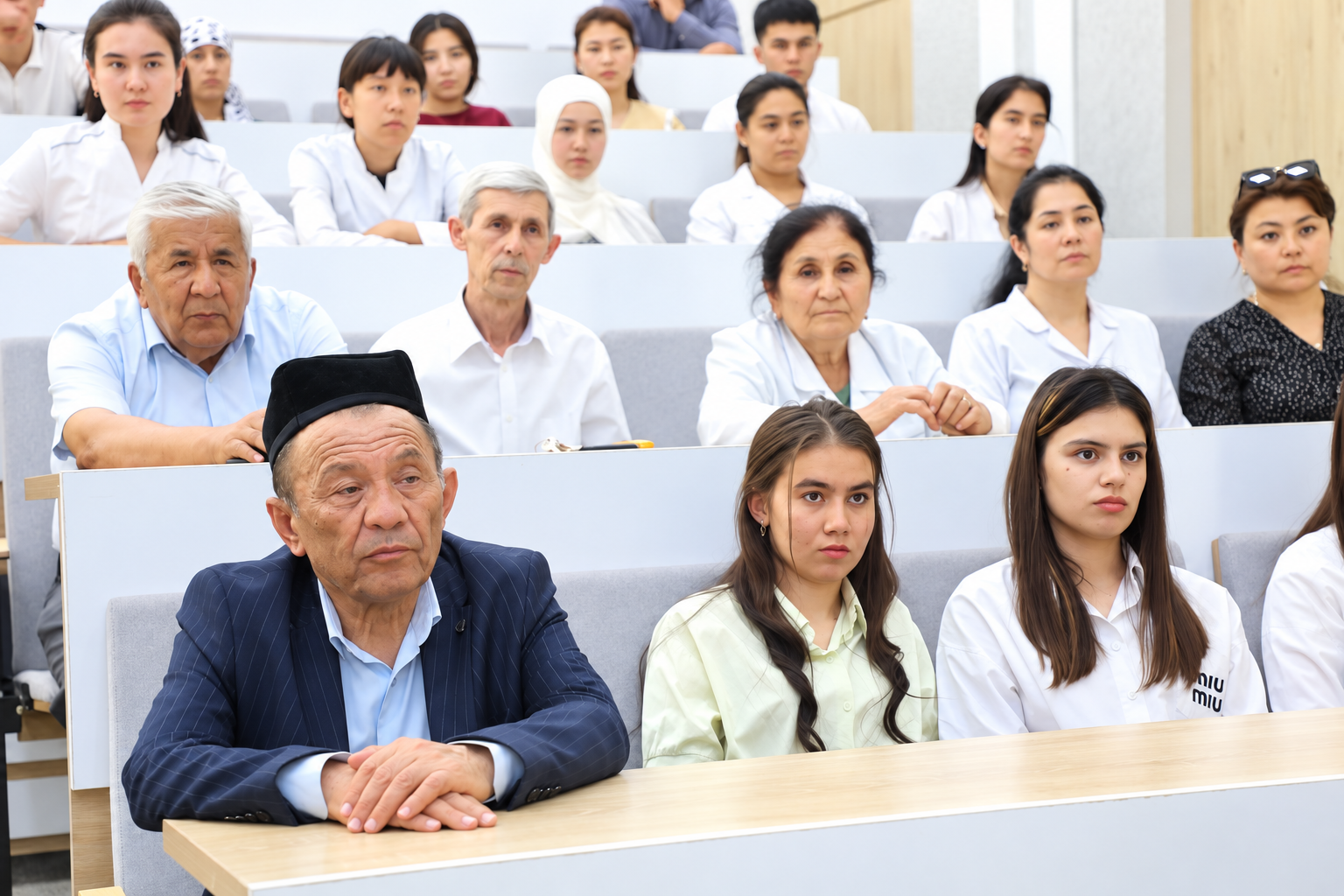
Weekly Department meeting.
Source: Photo collection of Dr. Abduqodir Mukhamadiev
The Department’s recent academic development is also reflected in significant achievements in researcher training and staff advancement. During the past three years, it has produced seven PhD graduates, two doctoral-level researchers, and 25 master’s dissertations, demonstrating its strong contribution to the preparation of highly qualified specialists. In addition, two associate professors were promoted to professorships, further strengthening the Department’s academic capacity, professional leadership, and long-term research potential.
Today, the Department has established a growing network of academic and research partnerships across Russia, Tajikistan, Georgia, and the Republic of Korea. Its international collaborators include Moscow State University, Kazan Federal University, Kazan National Research Technological University, a medical university in Saratov, the N.N. Vorozhtsov Novosibirsk Institute of Organic Chemistry, and the Gwangju Institute of Science and Technology. The Department also maintains cooperation with Tajik National University, the Institute of Chemistry of the National Academy of Sciences of Tajikistan, and research units associated with Tbilisi State University, reflecting the broad and increasingly diverse geography of its international academic partnerships.
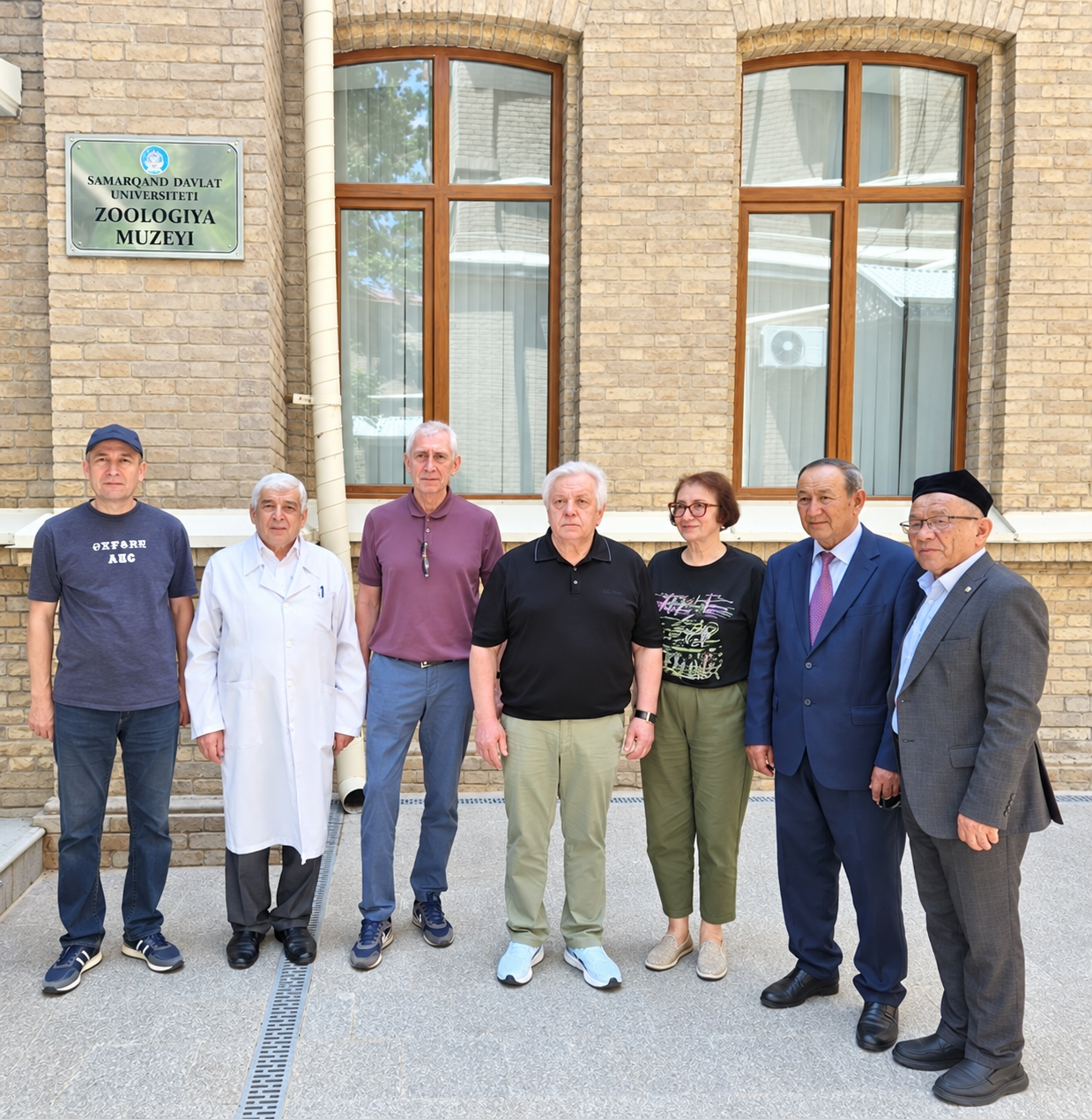
Visit of Corresponding Member of the Russian Academy of Sciences, Prof. Nariman Salaxiddinov, to SamSU.
Source: Personal photo collection of Prof. Nurali Muhamadiev.
The expanding geography of international cooperation is itself an important indicator of the Department’s growing scientific profile. By working with universities and research centers that represent different academic traditions, areas of expertise, and laboratory capabilities, the Department gains access to a wider range of ideas, methods, and research approaches. This makes international cooperation much more than a formal external activity; it becomes a practical scientific resource that supports the development of both fundamental research and applied studies, while also encouraging new interdisciplinary initiatives.
The Department’s international integration is also reflected in the active participation of its staff in leading scientific societies. Thirteen members of the Department belong to the American Chemical Society, eight are members of the German Chemical Society, and seven are members of the American Association for Cancer Research. These affiliations extend the Department’s international engagement beyond institutional partnerships and joint projects by connecting its researchers with global scientific communities. Membership provides access to professional networks, conferences, scientific publications, specialized research groups, and opportunities for international exchange and collaboration. It also enhances the visibility of SamSU, supports awareness of current developments in chemistry and biomedical research, and creates opportunities for joint studies, publications, academic contacts, and future international initiatives. The thematic scope of cooperation is also expanding, reflecting the Department’s growing involvement in modern and interdisciplinary research. According to its presentation materials, priority areas include quantum dots, photocatalysts, perovskite materials, nanosorbents, nanomagnets, and microorganism markers. These research topics connect physical chemistry, colloid chemistry, nanochemistry, materials science, environmental studies, and biomedical applications. Such a broad scientific profile creates strong opportunities for interdisciplinary collaboration, enabling the Department to work with international research groups that bring different expertise, methods, and technological capabilities.
A central principle of the Department’s international activity is to turn academic contacts into measurable scientific and educational outcomes. Its cooperation therefore goes beyond formal agreements and includes joint research projects, academic and methodological exchange, improvement of educational programmes, seminars, and master classes. Particular attention is also given to the joint preparation of textbooks and teaching materials, allowing international experience to contribute directly to education. This practical approach helps transform partnerships into sustained collaboration that supports research development, knowledge exchange, and capacity building.
Scientific communication is another essential dimension of the Department’s international activity. It includes publication in international scientific journals, preparation of joint monographs, organization and
participation in scientific conferences, and development of collaborative grant proposals. These activities are closely interconnected and help build a more sustainable model of cooperation. In practice, an initial academic contact can evolve into a shared research idea, followed by experimental work, publication, conference presentation, grant development, or academic mobility, thereby turning professional connections into long-term scientific collaboration.
Over the past three years, the Department has demonstrated strong publication activity, producing more than 75 papers in national and international scientific journals. Of these, 30 articles were published in journals indexed in Scopus, reflecting the growing quality, visibility, and international reach of the Department’s research. These results highlight the active contribution of its academic staff and young researchers and confirm the Department’s steadily strengthening position within the broader scientific community and global scientific networks.
One of the Department’s most productive international partnerships has been developed with Kazan National Research Technological University. According to the Department’s materials, this cooperation has resulted in publications in four Scopus-indexed journals and twelve additional international scientific journals. It also contributes directly to the training of young researchers, with two doctoral candidates currently conducting dissertation research in nanochemistry. Another important dimension of the partnership is academic exchange, including the participation of Kazan professors in professional development activities in Samarkand, which further strengthens long-term scientific and educational cooperation.
These results are especially noteworthy because they bring together several important dimensions of international cooperation within a single partnership: scientific publication activity, the development of young researchers, and professional exchange among academic staff. This comprehensive approach is particularly valuable because it moves collaboration beyond occasional meetings and isolated contacts. Instead, it helps establish stable and lasting connections between research groups, encourages continuous knowledge sharing, strengthens mutual academic trust, and creates a stronger foundation for future joint research projects, publications, training activities, and academic mobility.
Cooperation with Kazan Federal University has also generated clear and measurable results. According to the Department’s materials, this partnership has led to two publications in Scopus-indexed journals, while two doctoral researchers are currently carrying out dissertation work in the field of chemistry. In addition, representatives of the Department have participated in eight international conferences, with related conference materials published. These achievements show that the partnership extends beyond publication activity and also supports doctoral training, international scientific exchange, conference participation, and the wider dissemination of research results.
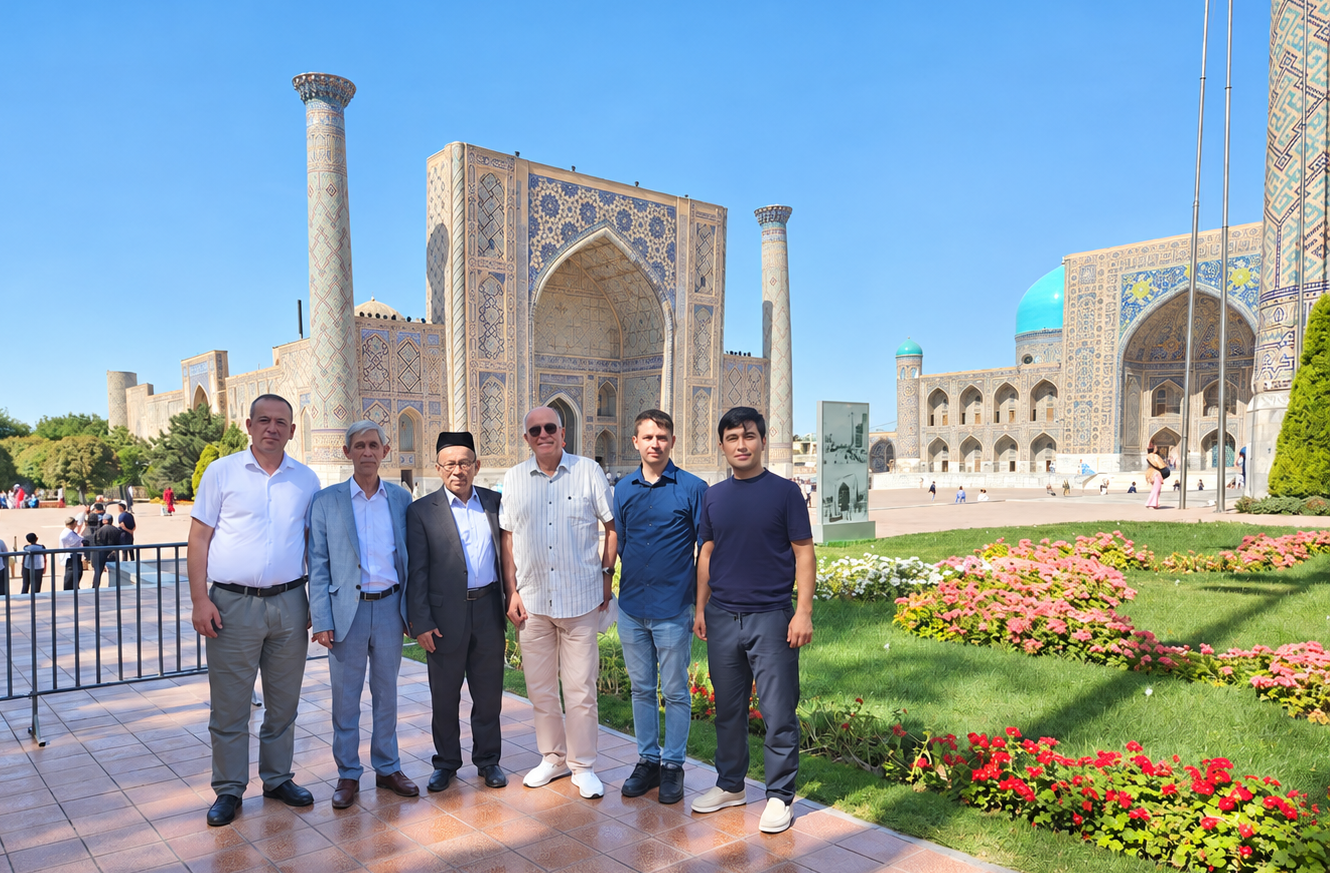
Prof. Yuri Galyametdinov of Kazan National Research Technological University during his visit to Samarkand, together with colleagues from SamSU.
Source: Personal photo collection of Prof. Nurali Muhamadiev.
International conferences are particularly valuable for young researchers, as they provide an opportunity to present scientific findings to a broader academic audience, receive expert feedback, and discuss important methodological and theoretical issues. Participation in such events also helps researchers establish new professional contacts and become more actively involved in international scientific networks. At the same time, conferences strengthen essential skills in scientific presentation, academic discussion, and professional communication, which are especially important for doctoral and master’s students as they develop their research careers.
Over the past five years, the Department has organized three international scientific conferences, strengthening its role as a platform for global academic exchange. These events brought together more than 50 scientists from 10 countries, creating valuable opportunities for professional dialogue, presentation of new research, and the development of international partnerships. The conferences also helped expand the Department’s scientific network, promote collaboration across disciplines, and increase the visibility of SamSU within the wider international research community.
Significant achievements have also resulted from cooperation with Moscow State University. Within this partnership, the Department has published four articles in Scopus-indexed journals, participated in twelve international conferences, and supported the research activities of two doctoral candidates working in physical chemistry. This cooperation is especially important for the Department of Physical and Colloid Chemistry because it directly strengthens its core academic and research specialization. It also contributes to the training of highly qualified researchers, the exchange of scientific expertise, and the further development of research in physical chemistry and related fields.
An important interdisciplinary research direction has also developed through cooperation with a medical university in Saratov. One of the key topics focuses on the antibacterial activity of essential oils, bringing together chemical, biological, and medical perspectives. This collaboration broadens the Department’s scientific profile and creates opportunities for research at the intersection of physicochemical analysis, natural compounds, and biological testing. According to the Department’s materials, the partnership has resulted in three Scopus-indexed publications and three additional papers in Russian scientific journals.
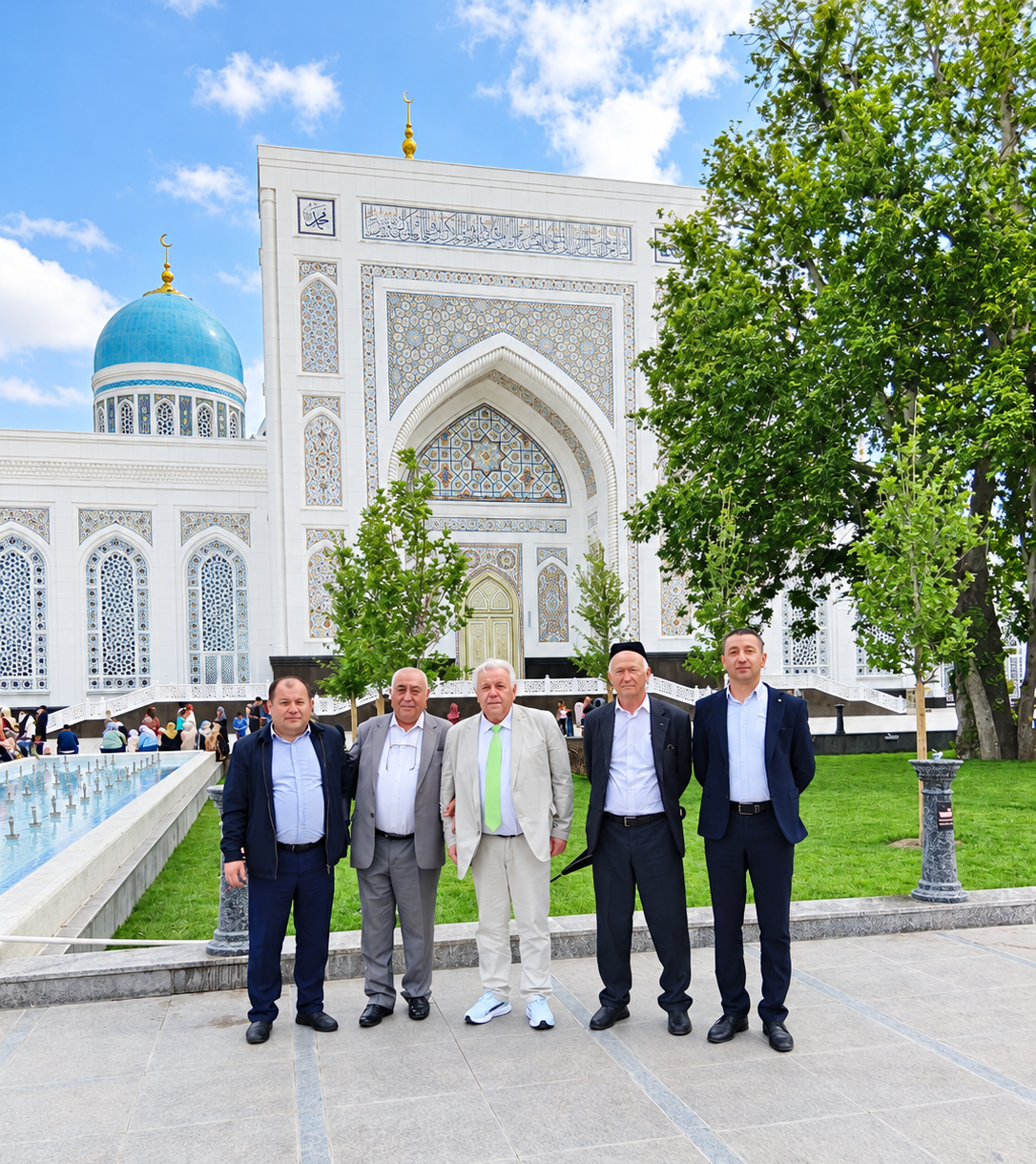
Visit of Corresponding Member of the Russian Academy of Sciences, Prof. Nariman Salaxiddinov, to SamSU.
Source: Personal photo collection of Prof. Nurali Muhamadiev.
Source: Personal photo collection of Prof. Nurali Muhamadiev.
Regional cooperation with scientific institutions in Tajikistan has also produced important academic results. A particularly significant achievement of the Department’s collaboration with Tajik National University is the successful defense of one doctoral dissertation in chemistry, demonstrating the value of this partnership for the training of highly qualified researchers. The cooperation has also resulted in two scientific publications and participation in four international conferences, further strengthening academic exchange and professional links between the two institutions.
Cooperation with the Institute of Chemistry of the National Academy of Sciences of Tajikistan has produced a particularly important academic result. The most significant achievement is the successful defense of a doctoral dissertation in Physical Chemistry, demonstrating the important role of this partnership in the training of highly qualified scientific personnel. The cooperation has also resulted in two scientific publications and participation in two international conferences, further strengthening research collaboration, professional exchange, and academic links between the two institutions.
Such partnerships are particularly important because they help strengthen a shared scientific environment across Central Asia. Many research challenges — including environmental protection, water quality, advanced materials, and sorption processes — are relevant to several countries in the region and benefit from coordinated study. Cooperation with neighboring universities and research institutions therefore supports not only academic exchange and joint research, but also the development of practical approaches to common regional problems. In this way, scientific collaboration can generate both scholarly value and broader practical benefits for Central Asian research communities.
Relations with Tbilisi State University are also continuing to develop and have already produced several meaningful academic outcomes. According to the Department’s materials, this cooperation has resulted in two joint scientific publications and participation in two international conferences. In addition, one doctoral researcher is preparing to defend a dissertation in chemistry, highlighting the contribution of this partnership to the training of highly qualified scientific personnel. These results further demonstrate that the Department’s international cooperation is closely connected with research development, academic exchange, and doctoral training.
In recent years, a particularly important new direction has been the development of cooperation between SamSU and the Gwangju Institute of Science and Technology — in the Republic of Korea.
The Gwangju Institute of Science and Technology (GIST) is one of the Republic of Korea’s leading research universities, widely recognized for its achievements in physics, chemistry, engineering, advanced materials, and interdisciplinary technological innovation. The development of cooperation with GIST represents an important step in expanding SamSU’s international scientific presence. This partnership creates new opportunities for joint research, academic exchange, researcher mobility, and interdisciplinary collaboration, while strengthening SamSU’s connections with a highly advanced international research environment.
This cooperation also carries a distinctive historical and symbolic significance. The renowned seventh-century Afrosiyob wall paintings in Samarkand depict foreign envoys at the court of a Sogdian ruler, including figures that scholars often interpret as representatives of the ancient Korean kingdom of Goguryeo. This historical connection gives present-day cooperation between Samarkand and Korea an additional dimension. Contemporary academic relations can therefore be seen as a modern continuation of a centuries-old dialogue, now developing through education, scientific research, advanced technologies, laboratory cooperation, and academic mobility.

West wall of the seventh-century Afrosiyob mural in Samarkand.
Source: Northeast Asian History Foundation / Wikimedia Commons.
The practical phase of cooperation with GIST began in November 2025, when SamSU welcomed Prof. Hyyong Suk, Dean of the College of Natural Sciences and Professor in the Department of Physics and Photon Science at GIST, together with Prof. Yoonsoo Pang from the Department of Chemistry. Their visit marked an important step toward more structured academic engagement. Discussions focused on physics, chemistry, materials science, and laboratory-based research, as well as future opportunities for faculty exchange, student mobility, joint publications, and broader scientific collaboration between the two institutions.
This cooperation was further strengthened by the SamSU delegation’s visit to GIST in May 2026. One of the key events of the visit was the international joint seminar, “2026 CNS International Cooperation Workshop.” The seminar provided an effective platform for scientific presentations, inter-university dialogue, the exchange of experience, and discussions on future directions for scientific and academic cooperation.
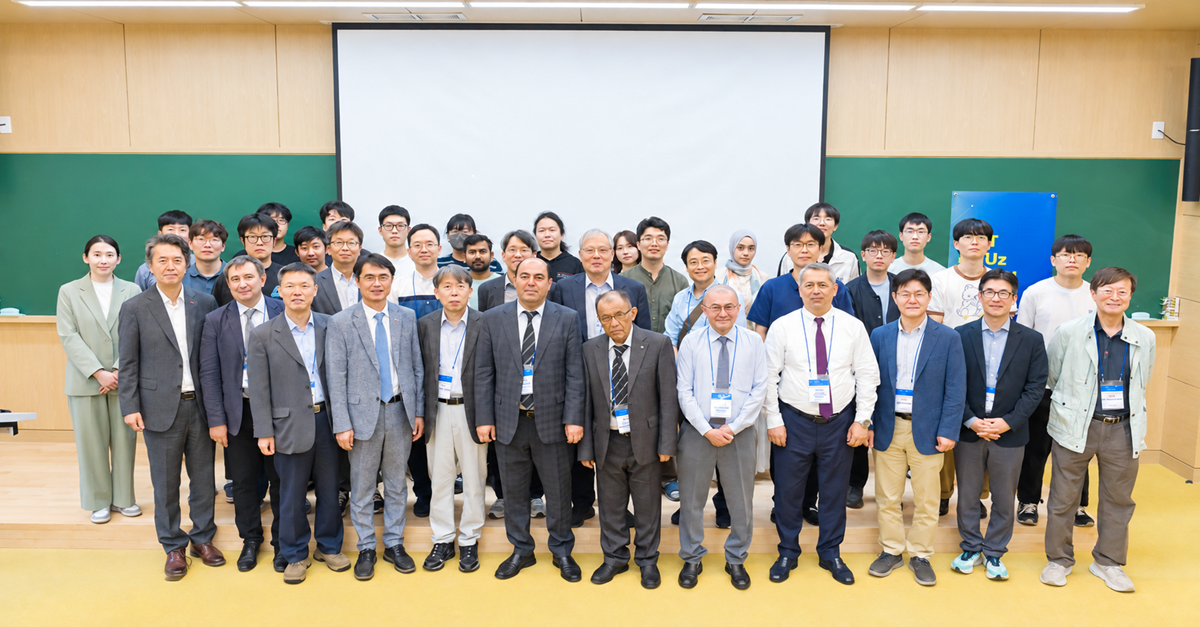
SamSU was represented by Prof. Ahmad Absanov, Prof. Nurali Mukhamadiev, and Programme Coordinator Hudoykul Hafizov. Their participation reflected the University’s growing commitment to strengthening international scientific cooperation with GIST, promoting interdisciplinary exchange, and developing long-term academic partnerships.
Of particular importance was the presentation delivered by Prof. Nurali Muhamadiev, who introduced the scientific activities, research achievements, and research potential of the Department of Physical and Colloid Chemistry. His presentation highlighted the Department’s strengths in physical chemistry, colloid chemistry, materials research, and applied scientific studies. It also helped identify promising areas of cooperation between SamSU’s chemistry research community and the GIST Department of Chemistry, creating a stronger basis for future joint research, academic exchange, collaborative publications, and interdisciplinary scientific projects.
During the visit, the delegation also had the opportunity to explore GIST’s physics and chemistry laboratories, as well as its broader research infrastructure and scientific working environment. This direct exposure provided valuable insight into how advanced laboratory research is organized and supported at GIST. It was particularly important for identifying future opportunities for short-term internships, research placements, laboratory training, and academic mobility. Such experiences can help students and young researchers gain practical skills, become familiar with modern research methods, and strengthen their participation in international scientific collaboration.
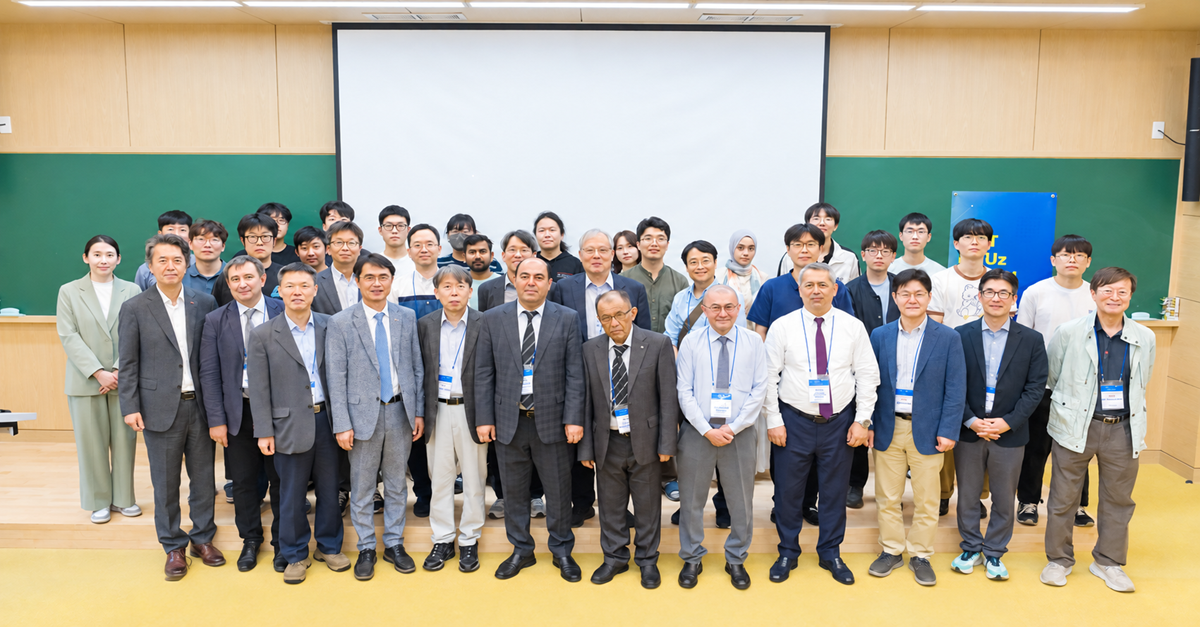
Group photograph of participants of the “2026 CNS International Cooperation Workshop.”
Source: Personal photo collection of Hudoykul Hafizov.
One of the most visible practical outcomes of this cooperation has been academic mobility. In June–August 2026, Nafosat Kuliboyeva took part in an international summer programme in the Republic of Korea with grant support from the Korean side. Her participation focused on the application of laser spectroscopy in chemistry and provided valuable exposure to a modern international research environment. As she plans to present the details of this experience in a separate article, it is sufficient here to note that her participation represents a concrete example of how international cooperation is creating new research and training opportunities for young scientists at SamSU.
For the Department, this experience is particularly valuable because it represents more than participation in an international programme; it also provides exposure to a modern research method and advanced scientific practice. Laser spectroscopy offers important possibilities for studying molecular and electronic structures, optical properties, and a variety of physicochemical processes. Although the detailed scientific aspects of this experience will be presented separately, the knowledge gained may contribute to future research on functional materials, nanostructures, and other systems closely related to the Department’s scientific priorities.
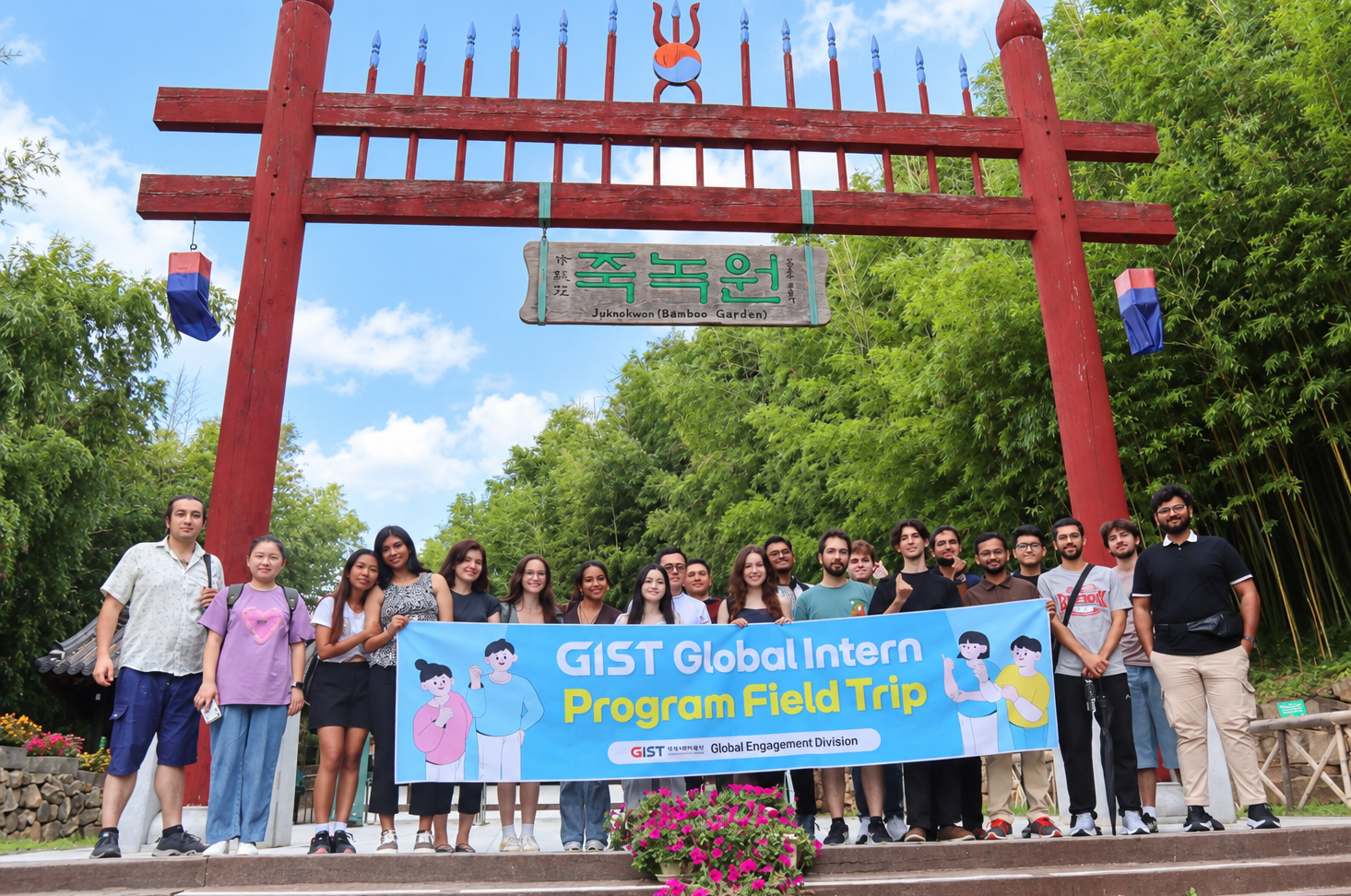
Group photograph of participants during the GIST Global Intern Program (GIP) field trip.
Source: Personal photo collection of Nafosat Kuliboyeva.
The Department of Physical and Colloid Chemistry is currently engaged in negotiations aimed at establishing closer scientific cooperation with The University of Lahore (UOL), Pakistan, and Hubei University in Wuhan, China. These discussions are supported by academic contacts involving an Assistant Professor from the Department of Physics at The University of Lahore who is also associated with research in Materials Chemistry and Physics at Hubei University. The prospective cooperation is expected to create new opportunities for joint research, exchange of scientific expertise, academic mobility, collaborative publications, and participation in international projects. Particular potential exists in physics, materials chemistry, advanced materials, and interdisciplinary research. These negotiations represent another important step toward expanding the Department’s international scientific network and developing sustainable partnerships with Asian universities.
International cooperation is therefore becoming increasingly practical and results-oriented. Professors are able to present the Department’s scientific achievements at international academic forums, young researchers gain valuable experience in advanced laboratories, and doctoral candidates develop their dissertations within a broader international research environment. At the same time, collaboration with different scientific schools creates opportunities for joint publications, exchange of expertise, and new research initiatives. This growing combination of mobility, academic exchange, and shared scientific work demonstrates that the Department’s international partnerships are producing increasingly tangible outcomes.
Another important priority for future development is the integration of international experience into education and research training. The Department plans to expand joint scientific projects, further improve educational programmes, and create more opportunities for the exchange of researchers, students, and young scientists. Bringing international expertise into the teaching process can help introduce modern research approaches, strengthen practical skills, and enrich academic content. At the same time, broader mobility programmes can support knowledge transfer, professional development, and closer long-term cooperation with international partner institutions.
The next stage of the Department’s international strategy should place greater emphasis on strengthening the quality and depth of existing partnerships. Success should be measured not only by the number of foreign institutions involved, but also by the practical scientific outcomes these collaborations produce. Key indicators
include joint publications, international grant applications, doctoral research, research internships, the adoption of new scientific methods, and the development of sustainable research teams. Focusing on these results will help transform established academic contacts into long-term, productive, and mutually beneficial scientific cooperation.
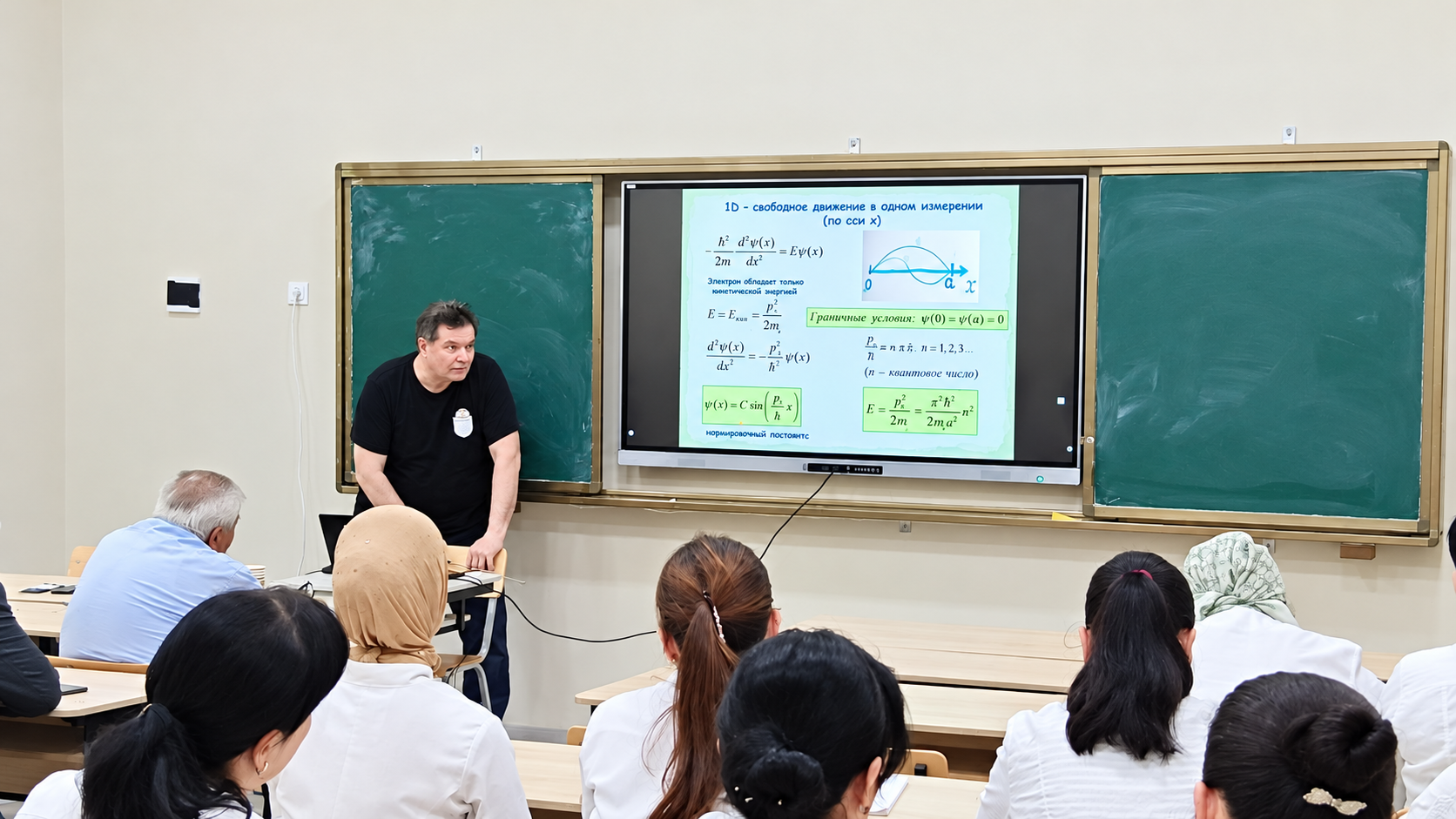
Lecture delivered by Prof. Renat Nazmutdinov of Kazan National Research Technological University.
Source: Personal photo collection of Dr. Abduqodir Mukhamadiev.
Today, the Department’s international activity can be regarded as an increasingly important component of its broader scientific development strategy. Rather than functioning as a separate area of work, international cooperation is becoming closely integrated with research planning, academic mobility, doctoral training, publication activity, and institutional partnerships, thereby strengthening the Department’s long-term research capacity and international scientific profile.
For SamSU, this growing international engagement contributes to a stronger global academic profile and closer integration into the international research community. For the Department of Physical and Colloid Chemistry, it creates new opportunities for collaborative research, scientific exchange, and access to advanced methods and expertise. For students, master’s students, and doctoral researchers, these partnerships open pathways to international research environments, help develop new academic and professional competencies, and provide opportunities to build lasting connections within global scientific networks.
The most significant outcome is the Department’s growing ability to convert international partnerships into measurable academic and scientific results. These collaborations now generate peer-reviewed publications, conference presentations, doctoral research, joint projects, and academic mobility, demonstrating a clear shift from formal contacts toward sustained, research-driven international cooperation with tangible institutional impact.
This transition from initial academic contacts to measurable scientific outcomes is a defining feature of modern international cooperation. Its real value lies in producing joint research, publications, researcher mobility, advanced training, and sustainable institutional partnerships rather than remaining limited to formal communication alone.
Science knows no borders—and neither should scientific ambition. Every international partnership has the potential to become more than a connection: it can generate new knowledge, stronger research, advanced skills, and lasting academic networks. For the Department of Physical and Colloid Chemistry, the real value of international cooperation lies in turning these opportunities into tangible scientific progress and creating a stronger foundation for the next generation of researchers to contribute confidently to global science.