

SAMARKAND STATE UNIVERSITY ARCHEOLOGY MUSEUM
The Archaeological Museum of Samarkand State University is a scientific and educational center open to the public, researchers, professors, teachers and students. Visitors to the museum have the opportunity to get acquainted with archaeological finds, monuments of ancient culture, enrich their historical knowledge and use the necessary sources for scientific research.
The museum is open to the following categories of visitors:
- local community;
- researchers and scientists;
- professors and teachers;
- undergraduate, graduate, and doctoral students;
- all persons interested in history and archaeology.
Purpose of the museum
The main goal of the scientific institution is to study and develop the history of early, ancient, and medieval societies of Uzbekistan by studying monuments of material and spiritual culture, which are considered an important source:
- collection,
- save,
- demonstration,
- scientific study,
- popularization among the general public.
Tasks of the museum
The Archaeological Museum operates in the following main areas:
- Research activities - scientific analysis of archaeological finds, study of historical processes, and formation of new scientific results;
- Educational and methodological activities - enhancing students' practical knowledge, enriching the educational process based on real exhibits;
- Educational activities - promoting historical heritage to the general public, increasing historical awareness through museum excursions and outreach work;
- Ensuring openness and accessibility - creating favorable conditions for using museum collections and exhibitions for scientific and educational purposes;
- Conservation of cultural heritage - transmitting unique archaeological finds to future generations and protecting them.
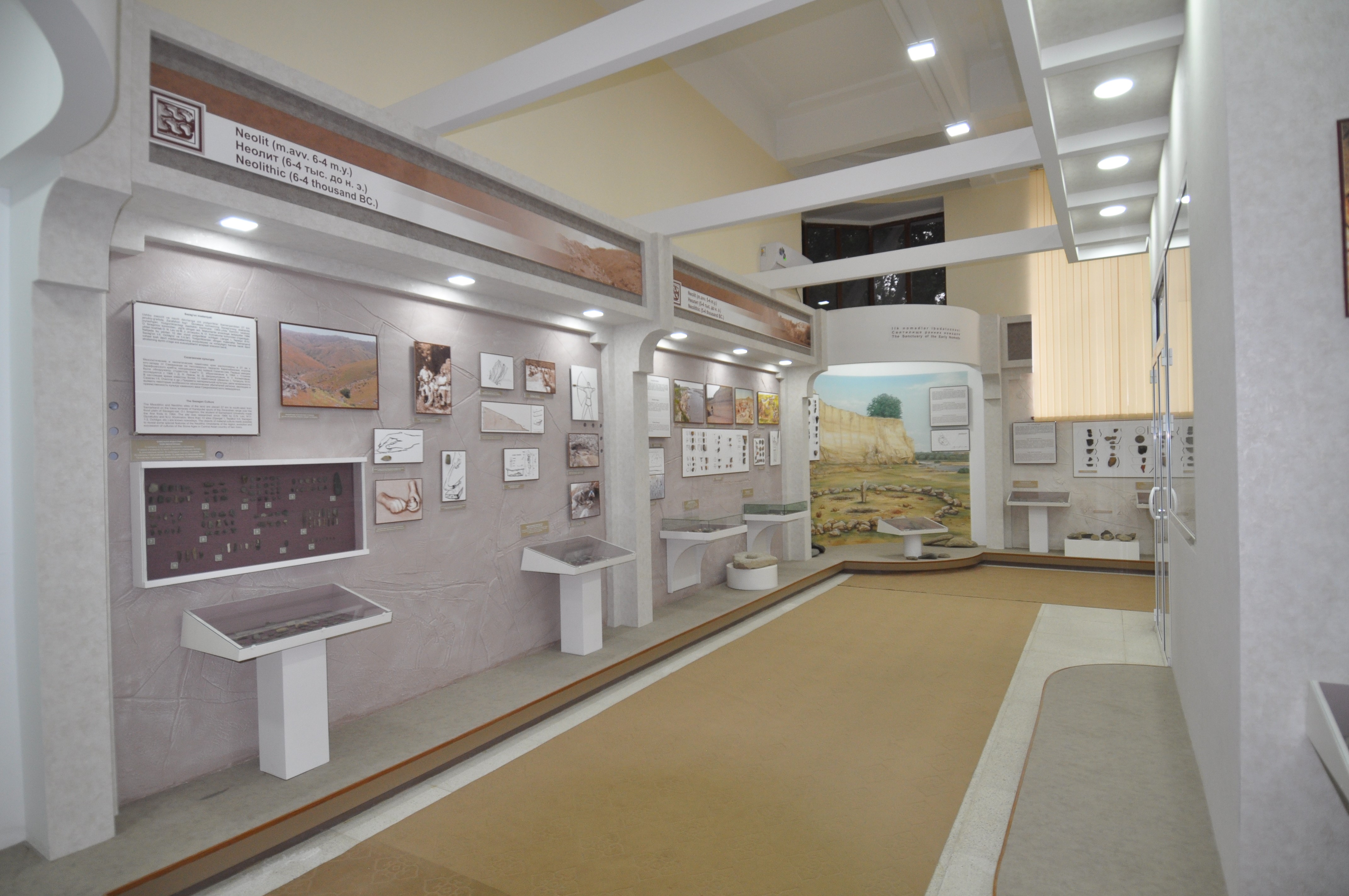
Based on collected sources, the "Archaeology" laboratory was first established in 1947, and in 1993, the "Archaeology Museum" was established under the SamSU Department of Archaeology. The main collection of the museum consists of sources on the history of primitive culture created by our ancestors. The museum's collection contains interesting sources on the history of our homeland from the 15th–80th centuries BC to the 12th century AD, most of which have been exhibited. Museum objects are an invaluable scientific and cultural heritage in conveying accurate knowledge and cultural values accumulated by past ancestors to representatives of new generations as examples and sources of knowledge.
EMPLOYEES OF THE ARCHEOLOGICAL MUSEUM
|
|
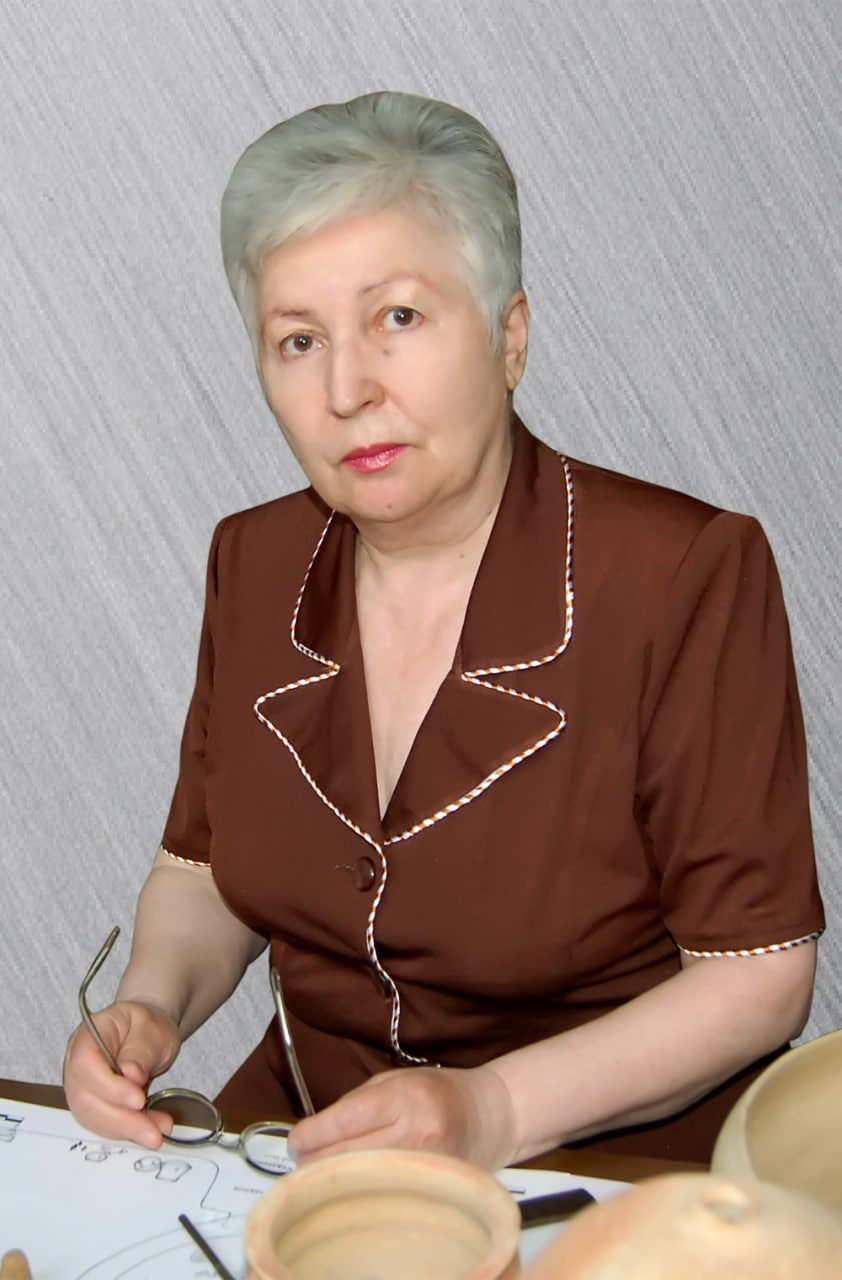
Avanesova N.A. – Researcher |
|
|
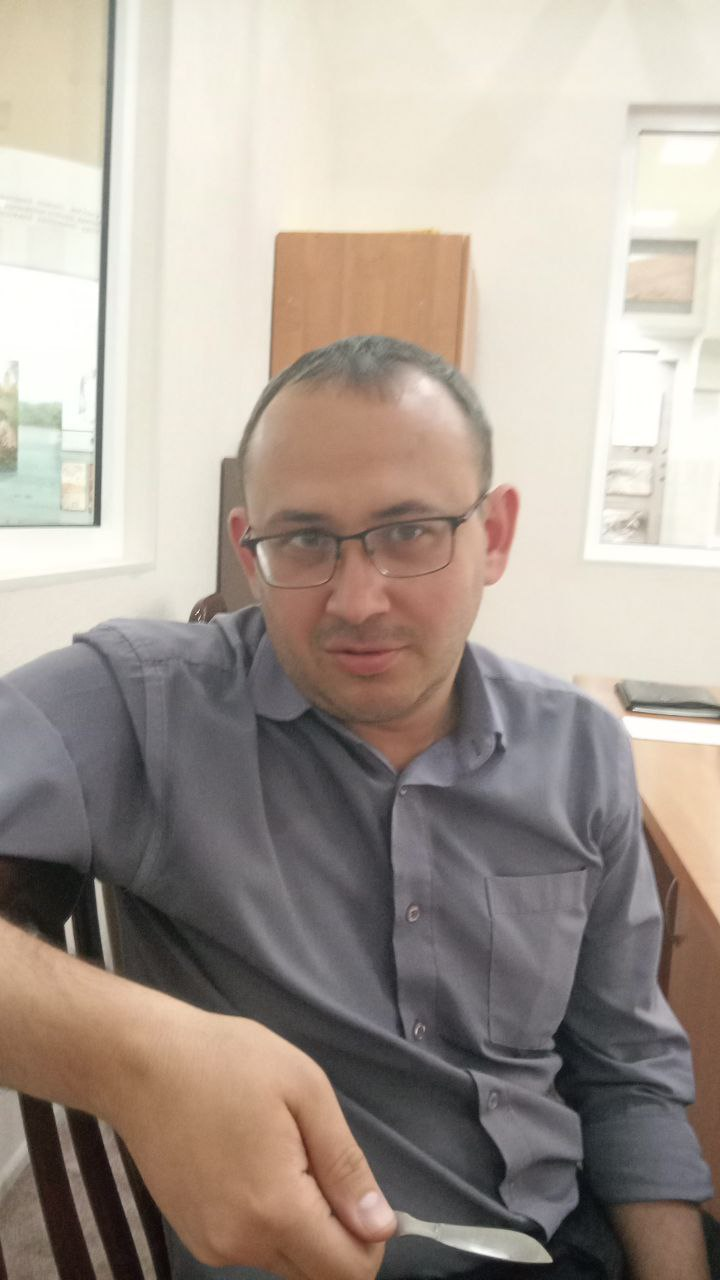
Kasparov A.R. – fund manager |
|
|
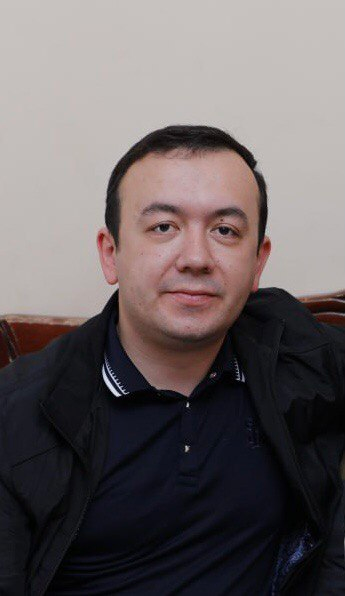
Nurmatov S.T. - custodian |
MAIN DIRECTIONS OF ACTIVITIES OF THE ARCHEOLOGICAL MUSEUM
ASSISTANT ACTIVITIES
1. Creating training courses, teaching aids, and visual aids for departments using the principle of visualization in the pedagogical process.
2. Providing practical assistance to students and master's students in writing abstracts, courses, final qualifying works, and dissertations on the use of archaeological sources.
3. Separate sections of general courses (historical local history, archaeology, history of primitive society) contribute to conducting lessons in special courses using exhibits and collections, improving the study and knowledge of the history of our native land, and activating students' cognitive activity.
4. Practical study of material sources by students and masters through the restoration, storage, and desk processing of archaeological materials. Their primary task is the historical reconstruction of technology and production, as well as economic forms and social structures.
RESEARCH WORKS
1. Replenishment of fund collections through archaeological expeditions, educational practice, and scientific-collection work.
2. Fund and desk processing of materials.
3. Creation of exposition departments in accordance with the growing requirements of our time.
4. Cataloging and publishing monuments of material and spiritual culture stored in the museum.
5. Scientific study of individual collections and their publication.
6. Completion of the archive based on expedition materials (technical documentation, reports, photographs, etc.).
EDUCATIONAL ACTIVITIES
1. Educational and thematic excursions with schoolchildren, students, undergraduates, SamSU, and guests of the city.
2. Assistance to teachers of district and regional schools in organizing school museums.
3. Holding a conference in the dormitory aimed at solving one of the main educational tasks: deepening and expanding the knowledge of young people about the spiritual culture of the Motherland.
4. Development and implementation into daily practice of extracurricular activities (quizzes, debates, excursions to historical monuments, etc.) aimed at fostering interest and respect for local ethnic cultures and preserving national traditions among youth.
The establishment of the archaeology department at the Faculty of History of Samarkand University (1947), later the museum-laboratory (1964), the educational and production laboratory of archaeology (2001), and then the Archaeology Museum (2022) is associated with the names of D. N. Lev, M. D. Zhurakulov, and N. A. Avanesova. The staff of the Department of Archaeology manages the work of the museum and strives to preserve the cultural heritage of the peoples of Uzbekistan by all available means.
Museum Description:
The significance of the Archaeology Museum is determined by the scientific significance of the archaeology department's potential and its annual contribution to the study of regional archaeology. For several decades, systematic research has been conducted on the unexplored pages of our Motherland's ancient history and the archaeological study of the region. There are more than 60,000 ancient artifacts in the collections that are of great importance for understanding our history.
One of the museum's priority areas is education. By harmoniously combining scientific and educational activities, the Archaeological Museum considers one of its great tasks to be the professional development of history faculty students. Every year, first-year students undergo field archaeological internships. Here, students learn about the importance and responsibility of archaeological research. For full and efficient operation, the following capabilities are available:
- The availability of highly qualified faculty members well-prepared to solve the tasks set in the Department of "Archaeology";
- Scientific and methodological foundations for the preparation and conduct of field and laboratory work for bachelors in specialties and areas have been prepared;
- as a result of studying the science, the future specialist should have the skills to realize his scientific potential, to conduct archaeological research as part of scientific expeditions.
- Processing, restoration, and scientific understanding of material obtained through archaeological research.
- The museum conducts classes in the following areas:
- History
- Archaeology
- Location: The Archaeology Museum is located in the Central Building of Samarkand State University at the Department of "Archaeology" of the Faculty of History (1st floor, room 115).
II. MUSEUM PLAN
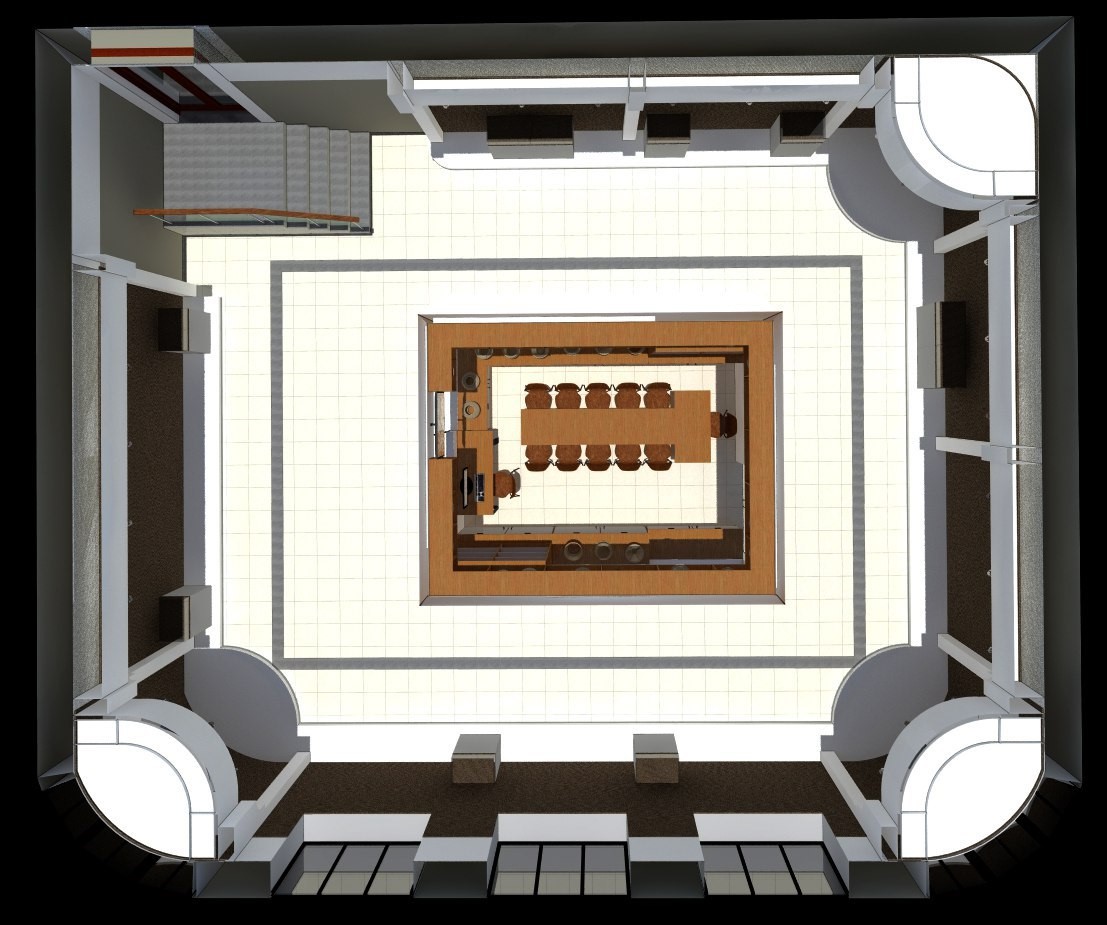
2.1. The museum operates under the Department of Archaeology of the Faculty of History of SamSU. (115 rooms)
2.2.The area of the room is approximately 112 m2 .
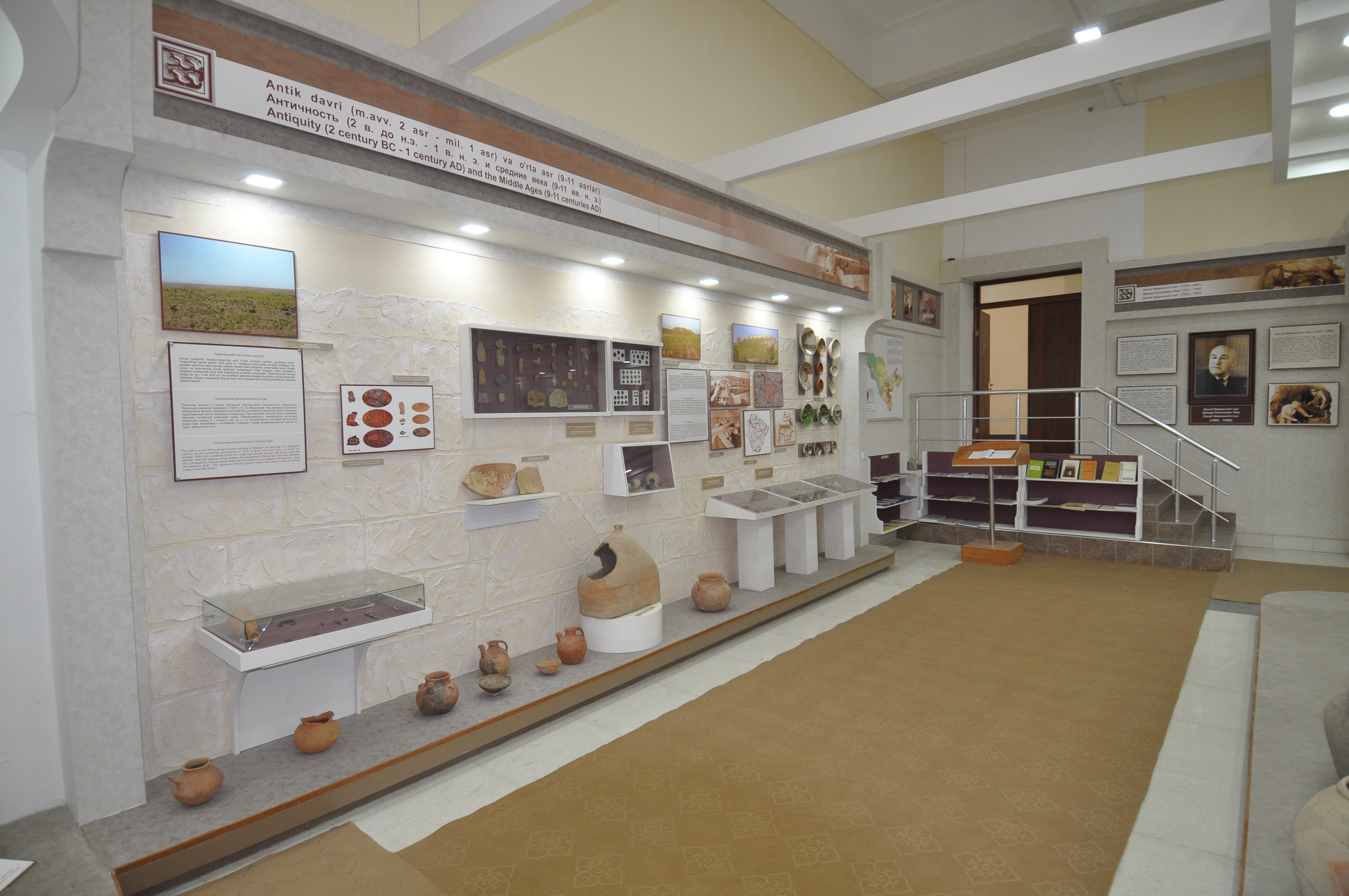
2.3. Approximate layout of the museum equipment in the room. Room 115 includes: 1) a room for 8-10 seats for conducting practical classes with master's and bachelor's students of the SamSU Faculty of History; 2) 6 tables, 10 chairs, 1 computer desk, 1 computer; 3) a museum exposition covering all stages of the historical past has been created. (from the Mousterian period to the Middle Ages); the exposition consists exclusively of artifacts acquired as a result of research conducted by the Department of Archaeology; 4) electricity is supplied.
Flowchart
SAMARKAND STATE UNIVERSITY
ARCHAEOLOGY MUSEUM SUMMARY
The museum exposition reflects the historical development of Uzbekistan from ancient times to the beginning of the 13th century AD. The materials of the Aman-Kutan cave demonstrate the significance of our region in the process of the emergence of Homo sapiens. The Samarkand Late Paleolithic site is the oldest modern human settlement in Central Asia, where not only thousands of Stone Age artifacts but also the oldest remains of Cro-Magnon man have been found. The unique exhibits show that the inhabitants of Central Asia and the Indian subcontinent have been in cultural contact since the Late Paleolithic, and the stone with its unique astral symbol reflects the spiritual culture of that period.
The artifacts of the Neolithic Garkusha settlement reflect the penetration of pastoralist Volga-Urals tribes into our territory, which significantly influenced the entire historical process. Materials from the Bustan VI, Bustan VII, and Jarqutan 4V1 burial grounds of the Sapalli culture occupy a special place, proving that the Aryan tribes migrated southward through Northern Bactria, where Zoroastrianism and Vedic culture were formed. The discovery of fragments of ancient silk fabrics on an unnamed hill proves that sericulture existed in the region in the 2nd–1st centuries BC. The exhibits of the ancient settlement of Samarkand - Afrasiab - also occupy a worthy place in the museum's exposition.